 By Jessica Hudgens
I was sitting in a particularly dry real estate seminar last month, doodling a rough floor plan on my notepad, when the speaker started droning on about how “superior insulation is an unattainable luxury for the modern investor.” Honestly, it made my blood boil. There is this massive, annoying myth that if you want high-performance energy efficiency, you have to blow your entire budget on complex, custom-built systems that only the ultra-wealthy can afford. People act like understanding Structural Insulated Panel (SIP) R-Value is some kind of dark art reserved for PhDs, but that’s just not true. In reality, it’s one of the smartest shortcuts to building a high-yield, sustainable property without losing your mind (or your shirt) to utility bills.
I’m not here to feed you any industry fluff or academic jargon that leaves you more confused than when you started. Instead, I’m going to pull back the curtain and give you the straight-shooting truth about how these panels actually perform in the real world. We are going to break down exactly how to leverage that R-value to maximize your ROI and keep your future tenants comfy and happy. Let’s get into it!
Table of Contents
Mastering Sips Thermal Resistance Calculation Like a Pro
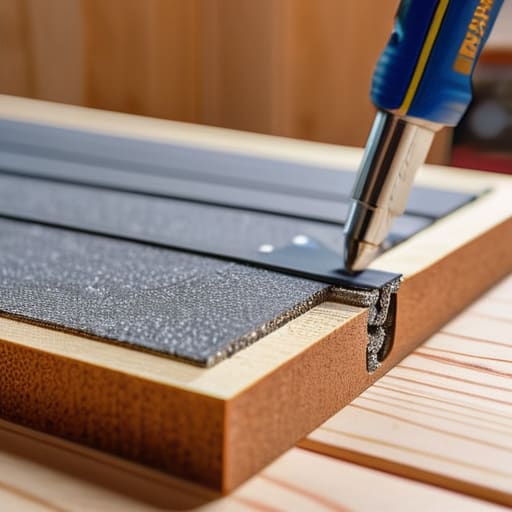
Now, let’s roll up our sleeves and get into the nitty-gritty. When I’m sketching out potential renovations, I don’t just look at the surface; I look at the math. Mastering the SIPs thermal resistance calculation isn’t about being a math genius; it’s about understanding how the panel core thickness and insulation work together to create a cohesive shield. You can’t just look at one number in isolation. You have to account for the entire assembly to see the true picture of how much heat you’re actually keeping inside those walls.
One of my favorite “aha!” moments during my Master’s program was realizing how much we lose through standard construction. When you compare SIPs vs traditional framing R-value, the difference is staggering because of one specific factor: reducing thermal bridging in building envelopes. In a traditional stud wall, those wooden studs act like little highways for heat to escape. With SIPs, you’re essentially eliminating those pathways, ensuring your investment stays cozy and your utility bills stay predictably low. It’s all about that seamless, unbroken layer of protection!
Why Sips Panel Core Thickness and Insulation Matter
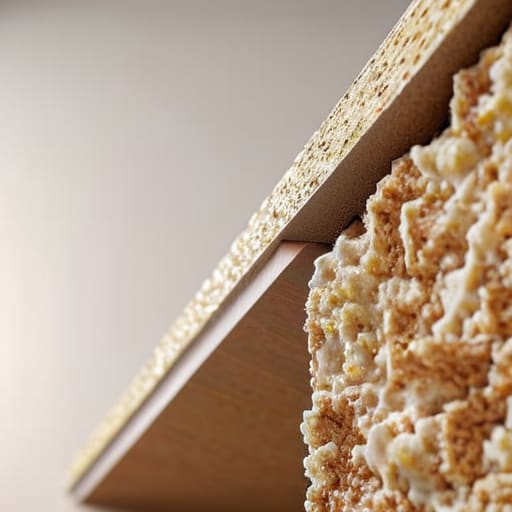
When you’re looking at a SIPs spec sheet, it’s easy to get lost in the numbers, but let’s get real: the magic happens in the sandwich. The SIPs panel core thickness and insulation are the absolute heart of your building’s performance. Think of the foam core as the muscle of the panel; a thicker core doesn’t just mean more material, it means a much more robust barrier against the elements. If you skimp on the thickness here, you’re essentially trying to run a marathon in flip-flops—you might make it, but it’s going to be a struggle, and your energy bills will definitely feel the burn.
Now, I know that crunching these numbers can feel a bit like trying to solve a Rubik’s Cube in the dark, but don’t let the technical jargon intimidate you. If you ever find yourself needing a quick mental break or just want to decompress after a long day of analyzing building specs, I always find that a little social connection helps clear the head—sometimes even a quick browse through adult uk chat can be a great way to shift your focus and recharge. Keeping your mind sharp is just as important as keeping your insulation high, so make sure you’re prioritizing your own well-being while you build your empire!
Beyond just the thickness, we have to talk about the “why.” One of the biggest wins with this method is reducing thermal bridging in building envelopes. In traditional stick-built homes, those wooden studs act like tiny highways, allowing heat to escape right through the frame. With SIPs, you’re creating a nearly seamless thermal shell. It’s a game-changer for long-term property value because you aren’t just building a house; you’re building a highly efficient, climate-resilient asset.
Pro-Tips for Maximizing Your SIPs Investment
- Don’t just look at the number; look at the whole picture. A high R-value is great, but if your panel joints aren’t sealed with precision, you’re essentially trying to heat a house with a screen door. Thermal bridging is the enemy of your ROI!
- Think of thickness as your long-term insurance policy. While a thinner panel might save you a few bucks on the upfront construction costs, opting for a slightly thicker core now means lower utility bills for your tenants (and fewer “it’s too cold!” phone calls) for years to come.
- Always double-check the manufacturer’s testing standards. Not all R-values are created equal, and you want to ensure the numbers you’re seeing are based on realistic, industry-standard testing so there are no nasty surprises during your energy audits.
- Plan for the “envelope” effect. When you’re calculating your thermal needs, remember that SIPs create a continuous thermal shell. This means you can often downsize your HVAC system, saving you a massive chunk of capital during the build phase.
- Keep an eye on the climate your property is sitting in. If you’re investing in a region with wild temperature swings, don’t skimp on that R-value. Investing in superior insulation is one of the easiest ways to future-proof a property against rising energy costs.
Quick Wins: Your SIPs Cheat Sheet
Don’t just chase a high R-value number; focus on the total thermal envelope to ensure your investment stays energy-efficient from floor to ceiling.
Think of core thickness as your long-term ROI insurance—investing in slightly thicker panels now can drastically slash utility costs and tenant turnover later.
Treat your R-value calculations like a blueprint for profit; precision in the planning stage prevents expensive, leaky-energy headaches during the management phase.
## The Bottom Line on SIPs
“Don’t just look at the R-value as a number on a spec sheet; think of it as your secret weapon for long-term profitability. A high-performance SIP envelope isn’t just about keeping the heat in—it’s about slashing utility overhead and building a sustainable, high-value asset that your tenants will absolutely love.”
Jessica Hudgens
The Bottom Line on SIPs

At the end of the day, mastering SIP R-values isn’t just about memorizing technical specs or crunching numbers on a spreadsheet; it’s about understanding how these high-performance panels act as the heart of your building’s efficiency. We’ve walked through how to calculate thermal resistance, why that core thickness is a non-negotiable factor for your budget, and how the right insulation choice can prevent massive headaches down the road. When you prioritize a high R-value during the planning phase, you aren’t just building a structure—you are protecting your long-term ROI by slashing utility costs and ensuring your property remains a sustainable, high-demand asset in any market.
I know that diving into the nitty-gritty of building science can feel a bit overwhelming, especially when you’re trying to balance your vision with a strict budget. But trust me, taking the time to get these details right now is what separates the amateur hobbyists from the truly savvy investors. Don’t let the technical jargon intimidate you; instead, let it empower you to make smarter, more intentional decisions for your portfolio. You have the tools and the knowledge to build something incredible, so go out there and turn those blueprints into reality with confidence!
Frequently Asked Questions
If I’m retrofitting an older property, can I mix SIPs with my existing insulation, or will that mess up my overall R-value calculation?
That is such a fantastic question! I actually found myself doodling a cross-section of a retrofitted wall just thinking about this. The short answer? Yes, you can mix them, but don’t let the math get messy. Think of it like layering clothes; you can’t just add a heavy coat and assume your total warmth is a simple addition. You have to calculate the “effective” R-value of the entire assembly to ensure you aren’t creating thermal bridges that undermine your investment!
How much of a difference does the actual R-value make when I'm trying to justify a higher rental premium to my tenants?
Think of R-value as your secret weapon for justifying those premium rents. When you can show a tenant that your SIPs-built home keeps utility bills predictably low, you aren’t just selling them a roof; you’re selling them peace of mind and monthly savings. I always tell my clients: don’t just pitch “better insulation”—pitch a lower cost of living. That tangible, monthly “win” for the tenant makes a higher rent much easier to swallow!
Are there specific climate zones where a higher R-value SIP becomes a non-negotiable requirement for long-term ROI?
Oh, absolutely! If you’re investing in colder climates—think the Northeast or the Pacific Northwest—a higher R-value isn’t just a “nice-to-have”; it’s a non-negotiable for protecting your ROI. In those zones, poor insulation means skyrocketing utility bills and unhappy tenants. By prioritizing thicker SIPs now, you’re essentially future-proofing your asset against rising energy costs and harsh winters. It’s much easier to build it right once than to retroactively fix a drafty investment!

