 By Jessica Hudgens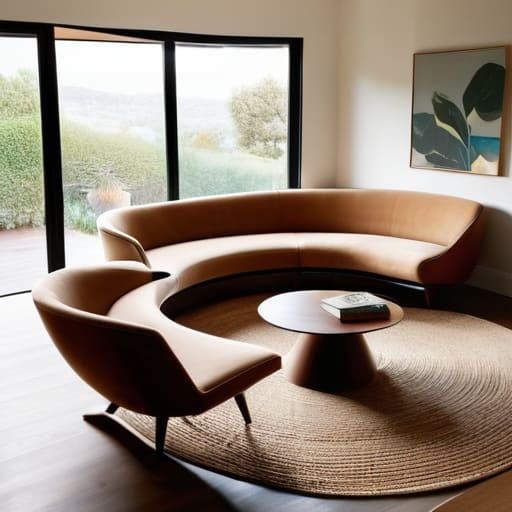
I was sitting in my first solo investment property last year, staring at a room that looked less like a living space and more like a geometric fever dream. It had a jagged corner, a radiator in the worst possible spot, and a doorway that seemed to exist solely to ruin the flow. I found myself frantically doodling floor plans on my napkin, trying to figure out how to arrange furniture in an awkward room without making it look like a chaotic obstacle course. Most “experts” will tell you that you need to gut the place or spend thousands on custom-built cabinetry to fix a bad layout, but let me tell you: that is total nonsense.
Now, I know what you’re thinking—trying to visualize these changes on a blank piece of paper can feel a bit overwhelming, especially when you’re staring at a room that seems to defy all logic. Honestly, even I find myself doodling way too many floor plans when I’m stuck on a tricky layout! If you’re feeling a bit lost in the geometry of it all, I highly recommend checking out some fresh design inspiration to see how others have tackled similar hurdles; you can see for yourself how a few clever aesthetic choices can completely transform a space that once felt totally unworkable. It’s all about finding that perfect balance between style and functionality so you don’t feel like you’re fighting your own home.
I’m not here to sell you on expensive renovations or Pinterest-perfect illusions that don’t work in the real world. Instead, I want to share the actual, battle-tested strategies I’ve used to turn “un-rentable” nooks into high-value assets. We are going to dive into some clever architectural trickery and smart placement hacks that respect your budget and your sanity. My goal is to show you that even the most stubbornly shaped spaces can become functional, beautiful parts of your home or your portfolio.
Maximizing Floor Space in Irregular Rooms With Ease
When you’re staring at a room that seems to have more angles than a geometry textbook, the temptation is to just shove everything against the walls and hope for the best. But trust me, that’s the fastest way to make a space feel cramped and disjointed. Instead of fighting the perimeter, I like to focus on zoning small awkward spaces to create a sense of purpose. Think of it like drawing invisible lines on your floor plan; by using area rugs or even the back of a sofa to create “rooms within a room,” you give the eye a logical path to follow.
If you’re dealing with those tricky, pinched corners, don’t panic—embrace them! This is where using multifunctional furniture for odd layouts becomes your absolute best friend. A sleek, built-in bench or a corner desk can turn a dead zone into a productive nook without eating up your precious square footage. My secret weapon? Always prioritize pieces that offer dual purposes. When you stop viewing irregular dimensions as “problems” and start seeing them as opportunities for custom-feeling solutions, you’ll find that even the most chaotic floor plan can feel incredibly intentional.
Smart Small Space Layout Solutions for Tricky Corners
We’ve all been there: you walk into a room, see a weirdly sharp angle or a tiny, recessed nook, and immediately think, “Well, there goes my floor plan.” But here’s a secret from my days studying development—those “dead zones” are actually goldmines if you know how to approach them. Instead of trying to force a massive sofa into a corner that just won’t cooperate, I love zoning small awkward spaces using lightweight elements. Think of a slender console table or a tall, leafy plant to define the boundary. It creates a sense of purpose without making the room feel like a cluttered obstacle course.
If you’re dealing with a tight squeeze, I highly recommend using multifunctional furniture for odd layouts. I’m talking about those genius nesting tables or ottomans with hidden storage that can slide into a corner when you need the walking path clear. When we’re maximizing floor space in irregular rooms, the goal isn’t just to fill the void, but to make the room feel intentional. A well-placed accent chair in a triangular nook can turn a layout nightmare into a cozy reading retreat that actually adds value to the property!
My Secret Weapons for Taming Tricky Floor Plans
- Embrace the “Floating” Method: Instead of shoving every piece of furniture against the walls just because the room is shaped like a trapezoid, try pulling your seating toward the center. It creates a defined conversation zone and actually makes those weird, empty perimeter gaps feel intentional rather than accidental.
- Go Custom with Multi-Functional Pieces: When you’re dealing with a room that refuses to follow the rules, standard-sized furniture is your enemy. I always look for ottomans with hidden storage or nesting tables—pieces that can move around easily as you rethink the flow of the space.
- Use Rugs to Create “Rooms Within Rooms”: If you have an L-shaped room or a long, narrow space, don’t try to treat it as one giant area. Use area rugs to visually anchor specific zones. It’s like drawing invisible boundaries that tell your brain, “This is the reading nook, and that over there is the dining area.”
- Lean Into Verticality: If the floor plan is a nightmare, stop fighting for every square inch of carpet! Use tall bookshelves or hanging planters to draw the eye upward. It adds character and storage without eating up the precious floor space you need for walking paths.
- Light Up the Dead Zones: We’ve all seen them—those dark, awkward alcoves that serve no purpose. Instead of letting them become dust collectors, drop in a slim floor lamp or a small accent table. A little bit of strategic lighting can turn a “useless corner” into a cozy, high-value feature of the room.
Turning Challenges into Character
At the end of the day, tackling an awkward room is all about working with the architecture rather than fighting against it. We’ve looked at how strategic zoning can reclaim lost square footage, how to use custom furniture to hug those pesky, irregular walls, and how to transform those “dead” corners into functional nooks that actually add value to the property. Remember, a room doesn’t need to be a perfect rectangle to be highly functional or aesthetically pleasing; it just needs a thoughtful layout that respects its unique geometry. By prioritizing flow and intentionality, you aren’t just placing furniture—you are engineering a space that works for you.
If you’re feeling a bit overwhelmed by a floor plan that looks more like a scribble than a room, take a deep breath and grab a pencil! I often find myself doodling new layouts when I’m stuck, and I promise you, there is always a solution waiting to be discovered. Don’t let a weirdly shaped alcove or a slanted ceiling dampen your investment spirit or your design creativity. These quirks are often what give a home its unique soul and unmatched character. View these spatial puzzles as opportunities to innovate, and before you know it, you’ll have turned a layout nightmare into your absolute favorite investment gem.
