 By
By I once found myself marooned in the soul-crushing sameness of suburbia, staring at a row of identical brick boxes as if they’d been copy-pasted from some architectural bargain bin. Each house with its manicured lawn, a symbol of success to some, felt like a prison to me. But there I was, a statistic in the grand migration, fleeing the city I loved for a promise of more space and less risk. The irony? I ended up in a place that felt more like a witness protection program than a vibrant community. If you’ve ever questioned whether swapping skyscrapers for cul-de-sacs was the right move, you’re not alone.
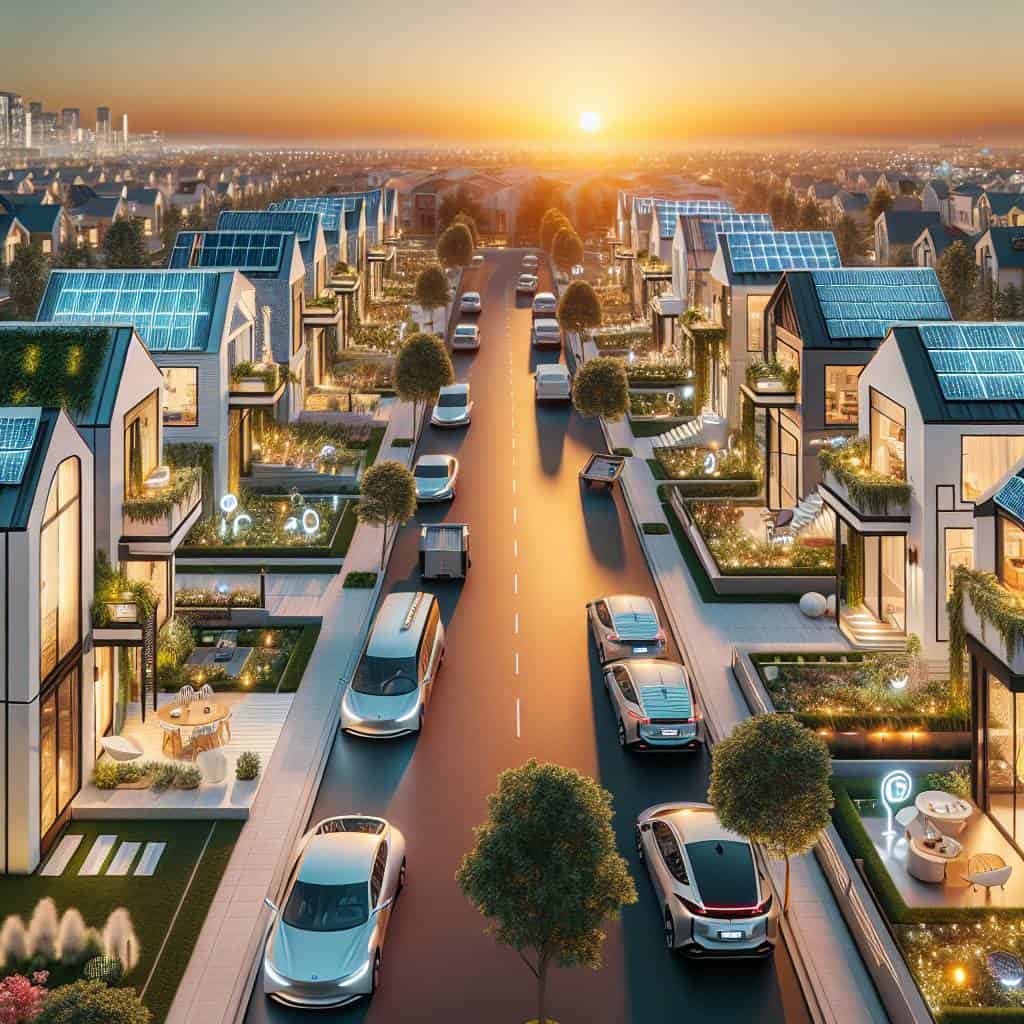
In this piece, I’m diving deep into the seduction and subsequent disillusionment of suburban life, especially in the post-pandemic landscape. We’ll sift through the debris of remote work fantasies and the scramble for square footage, analyzing whether this shift is a permanent fixture or a temporary blip. Expect some hard truths about demand, space, and the reality behind those realtor-fueled dreams. It’s time to see if the grass truly is greener—or just astroturf hiding the cracks beneath.
Table of Contents
Why Remote Work Made My Lawn Look Like A Jungle: A Post-Pandemic Space Odyssey
Remote work turned my lawn into a jungle, and it’s not just because I was too busy perfecting the art of pretending to pay attention on Zoom calls. It’s a microcosm of the larger narrative unfolding in the suburban real estate market—a tale of unanticipated consequences and the relentless march of change. When the pandemic hit, many of us fled the concrete sprawl of the city for the promise of wide-open spaces and greener pastures. But in our fervor for freedom and fresh air, we overlooked a crucial reality: the upkeep of all that land is a full-time job in itself. With remote work blurring the lines between office hours and personal time, who has the bandwidth to tame the wild growth that’s taken over our backyards?
This isn’t just about unruly grass; it’s a reflection of a broader trend. The demand for suburban real estate skyrocketed as people sought more space to work, live, and occasionally escape their families. But as the dust settles, some are realizing that the charm of suburbia fades faster than their patience during a virtual meeting. The sprawling lawns and extra bedrooms demand a level of maintenance that’s hard to juggle alongside endless work calls and digital deadlines. As remote work reshapes our lives, it’s also challenging our assumptions about space and lifestyle—forcing us to reconsider whether the idyllic image of suburban living truly matches the reality. In this post-pandemic space odyssey, the lawn is just the beginning.
The Suburban Mirage: An Unfiltered Insight
As we tiptoe back into a world less dictated by germs, the allure of suburban sprawl might just evaporate like a mirage in the desert. Remote work gave it a boost, but convenience and human connection will always lure us back to the urban hum.
The Mirage of Space and the Realities of Change
In the end, it’s not about the square footage or the freshly mowed lawns; it’s about the unsettling realization that the grass isn’t necessarily greener on the other side—it’s just further away. The post-pandemic pilgrimages to suburbia were not merely a quest for space but a reflection of our desire for control in an uncontrollable world. But as the dust settles and the allure of elbow room wanes, the reality checks in: isolation has its costs, and convenience was never just about proximity.
So here I stand, amidst the echoes of Zoom calls and the hum of lawnmowers, pondering where the next chapter of this spatial saga will lead us. The suburbs may have emerged as temporary havens in our collective crisis, but the future is as unpredictable as the whims of a Wi-Fi signal. Let’s not kid ourselves; the journey to redefine work-life balance is far from over. And as we navigate this ever-shifting landscape, one thing is clear: adaptability, not square footage, will determine who thrives in the next act of this ongoing real estate play.
