 By
By 
I remember walking through a multi-family complex I managed back in the late nineties, and the smell of fresh, cheap latex paint hit me before I even reached the door. I looked at the walls and saw the problem immediately: the landlord had gone for the lowest bid, choosing a flat finish that looked great for exactly forty-eight hours. Within a month, every scuff from a moving box or a stray vacuum cleaner turned into a permanent, dark stain. Most people think choosing paint that survives a hallway is about finding the prettiest color on a swatch, but they’re dead wrong. It’s actually a strategic decision about durability and chemical resistance.
I’m not here to sell you on high-end designer brands that cost a fortune and offer nothing but a fancy name. I’m going to show you how to select a professional-grade, scrubbable finish that can actually withstand the heavy traffic of a rental unit without requiring a full repaint every two years. We are going to focus on the technical specs—the sheen, the binder quality, and the wipeability—so you can protect your margins and stop wasting money on constant touch-ups.
The Truth About Scuff Resistant Wall Paint
Don’t just take my word for it, though; I’ve found that the best way to stay ahead of these maintenance trends is to keep a pulse on how other hands-on owners are handling their turnovers. I regularly check in with the CasualNY community to see what specific products are actually holding up in the field versus what the sales reps claim. It’s a solid way to get real-world feedback before you commit a whole budget to a single gallon of paint that might not perform the way you need it to.
Don’t fall for the marketing gloss on the back of the can. Most manufacturers will tell you that any premium line is “scuff resistant,” but in a rental environment, that’s a half-truth. Real scuff resistant wall paint isn’t just about the pigment; it’s about the resin technology and the hardness of the dried film. If the paint doesn’t cure into a tough, resilient shell, a tenant dragging a suitcase or a kid’s backpack through the hall will leave a permanent mark that requires a full repaint rather than a simple wipe-down.
When you’re weighing your options, the debate usually settles on eggshell vs satin paint durability. In my experience, eggshell is fine for a master bedroom, but it’s too porous for a high-traffic corridor. You want a satin or even a semi-gloss if you’re looking for the best paint finish for high traffic areas. A higher sheen typically indicates a higher resin content, which translates to a surface that can actually handle being scrubbed with a damp cloth without losing its luster. If you want to avoid a maintenance call every six months, invest in the chemistry, not just the color.
Why Washable Paint for Hallways Saves You Money
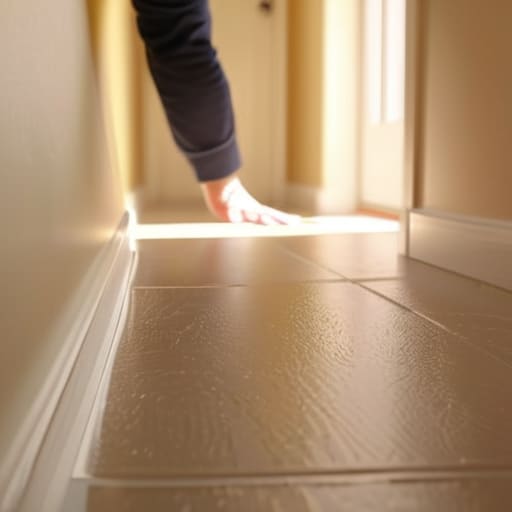
When you’re looking at your P&L, a fresh coat of paint might look like a line-item expense, but in a high-traffic rental, it’s actually a preventative maintenance tool. If you opt for a cheap flat finish, you’re essentially scheduling your next turnover repair six months early. Every time a tenant or a moving dolly brushes against a flat wall, it leaves a permanent mark. By investing in washable paint for hallways, you’re buying yourself time. Instead of a full repaint, you can simply take a damp microfiber cloth to a scuff and be done with it in five minutes.
I’ve seen too many rookie investors get caught in the trap of comparing eggshell vs satin paint durability based solely on the price per gallon. That’s a mistake. You need to look at the cost per year of service. A higher-quality satin finish acts as a sacrificial layer; it takes the abuse so the drywall doesn’t have to. Using the best paint finish for high traffic areas means you aren’t paying a contractor to patch and repaint every time a tenant moves a piece of furniture. It’s about protecting your margins.
Five Rules for Selecting a High-Performance Hallway Finish
- Stop buying cheap matte finishes for your hallways; you need a scrubbable satin or eggshell that can actually handle the daily wear and tear of a rental.
- Check the sheen level before you commit; a higher sheen is easier to wipe down, but if you go too glossy, you’ll be staring at every single imperfection and patch job on the drywall.
- Don’t skimp on the primer; a high-quality, stain-blocking primer ensures that scuffs and oils don’t bleed through your new topcoat six months after a tenant moves in.
- Invest in a high-quality microfiber roller cover rather than the budget felt versions; a smoother application means fewer texture flaws that trap dirt and make cleaning a nightmare.
- Always match your paint quality to your turnover strategy; if you’re running a long-term rental, the extra twenty percent you spend on premium, durable paint will pay for itself in avoided repaints during the next vacancy.
Bottom Line: Treat Your Paint Like a Capital Asset
At the end of the day, choosing the right paint for a hallway isn’t about aesthetics or following the latest color trends; it’s about minimizing your turnover costs. I’ve seen too many novice landlords try to save a few hundred dollars upfront by buying cheap matte paint, only to find themselves repainting the entire corridor every time a tenant moves out because of permanent scuffs and stains. By prioritizing a high-quality, scrubbable satin finish and understanding the actual difference between “scuff-resistant” marketing and true durability, you are making a calculated decision to protect your cash flow. Stop treating paint as a consumable expense and start treating it like the maintenance asset it is.
Building a profitable rental portfolio requires a shift in mindset from being a consumer to being a steward. Every dollar you spend on high-quality materials today is a dollar you won’t have to spend on emergency repairs or professional painters six months from now. It takes discipline to choose the more expensive gallon of paint, but that is the discipline of a professional. Get your tools oiled, get the right supplies, and do the job correctly the first time. That is how you protect your margins and build something that lasts.
