 By Jessica Hudgens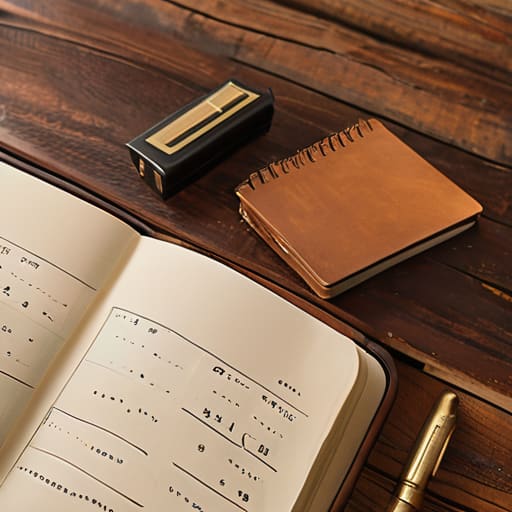
I was sitting in a high-level real estate seminar last week, surrounded by tech bros raving about the latest AI-driven fintech tools that promise to “revolutionize” your life, and I couldn’t help but doodle a quick floor plan just to keep my sanity. Honestly? Most of these expensive, flashy subscriptions are just digital clutter that distracts you from the actual math. We’ve been conditioned to believe that if we aren’t tapping a screen every five minutes, we aren’t being “efficient,” but I’ve found that tracking spending without an app is often the only way to actually feel the weight of your financial decisions. There is a profound, almost tactile connection to your capital when you write it down, and frankly, you don’t need a monthly subscription to learn how to manage your own empire.
In this post, I’m stripping away the tech-hype and getting back to basics with some battle-tested strategies I’ve used throughout my career in development and management. I’m going to show you how to build a rock-solid financial foundation using nothing more than a notebook, a bit of discipline, and a clear vision for your future. No fluff, no complicated algorithms—just straightforward, actionable methods to help you master your cash flow and start investing with confidence.
Mastering Manual Budgeting Techniques for Financial Clarity

Now, let’s get into the nitty-gritty of how you actually make this work. I know, I know—we live in a world of instant notifications, but there is something incredibly grounding about pen and paper expense tracking. When I’m deep in thought about a new development project (usually while doodling a quick floor plan in the margins of my notebook!), I find that physically writing down a transaction forces a level of mindfulness that a digital swipe just can’t replicate. You aren’t just tapping a screen; you are acknowledging exactly where your hard-earned capital is flowing.
If you want to take it a step further, I highly recommend looking into the cash envelope system benefits. It’s a classic for a reason! By allocating specific amounts of cash into labeled envelopes for things like groceries or entertainment, you create a physical boundary for your spending. Once that envelope is empty, the party’s over for the month. It’s a blunt, effective way to ensure you aren’t accidentally dipping into your property renovation fund to pay for extra takeout. It’s all about building that disciplined financial muscle from the ground up.
The Magic of Pen and Paper Expense Tracking
There is something incredibly grounding about pen and paper expense tracking that a glowing smartphone screen just can’t replicate. I’ll admit, I have a habit of doodling floor plans when I’m stuck on a deal, but I’ve found that the same tactile connection works wonders for my finances. When you physically write down a transaction, you aren’t just logging data; you are forcing your brain to acknowledge the movement of your money. It creates a “moment of mindfulness” that digital automation often bypasses.
If you’re feeling overwhelmed by the sheer volume of transactions, I highly recommend exploring some analog money management tips, like the classic cash envelope system. By allocating physical cash to specific categories—say, repairs or property taxes—you get an immediate, visual sense of your remaining budget. It’s much harder to “accidentally” overspend when you can actually see the envelope getting thinner! While some people swear by a complex spreadsheet vs paper budgeting debate, there is a unique, soulful clarity that comes from tracking expenses in a notebook that helps you truly master your financial foundation.
5 Pro-Tips to Keep Your Cash Flow in Check (No WiFi Required!)
- Grab a dedicated “Money Journal.” I know, I know, it sounds a bit old-school, but there is something incredibly grounding about physically writing down every coffee and contractor fee. It turns a chore into a ritual, and honestly, it’s way harder to ignore a number when you’ve actually had to ink it onto a page.
- The Envelope System is your new best friend. If you’re struggling with overspending in specific categories—like renovations or even just dining out—try the classic cash-in-envelope method. When the cash in the “Supplies” envelope is gone, the shopping spree is officially over. It’s a foolproof way to build discipline.
- Set a “Sunday Night Audit.” Instead of letting receipts pile up in a mountain on your kitchen counter (trust me, I’ve been there!), carve out twenty minutes every Sunday to sit down with your notebook. It’s like a weekly site inspection for your wallet—you catch the leaks before they become floods.
- Categorize like a pro, not a perfectionist. Don’t get bogged down in fifty different sub-categories. Keep it simple: Housing, Utilities, Maintenance, and Lifestyle. If your tracking system is too complex, you’ll stop doing it. We want sustainable habits, not a second full-time job!
- Keep a “Receipt Pocket” in your bag or wallet. Since we aren’t relying on digital scans, those little slips of paper are gold. Carry a small folder or even just a dedicated pocket to collect them throughout the day so you aren’t playing detective when it comes time to log your expenses at night.
Building Your Legacy, One Entry at a Time
At the end of the day, whether you’re scribbling numbers in a leather-bound journal or keeping a meticulous ledger on your desk, the goal remains the same: total financial awareness. We’ve talked about how ditching the digital noise allows you to truly feel the weight of every dollar spent, moving away from mindless scrolling and toward intentional wealth building. By mastering these manual techniques, you aren’t just tracking expenses; you are constructing a rock-solid foundation that will eventually support your property portfolio. Remember, the most sophisticated software in the world can’t replace the clarity that comes from personally reviewing your cash flow.
I know it might feel a little old-school—and honestly, I’m usually the first one doodling a new floor plan when I should be checking my spreadsheets—but there is a profound power in this kind of discipline. Don’t let the lack of a shiny new app intimidate you into inaction. Real estate success isn’t built on high-tech gadgets; it’s built on consistency, grit, and understanding your numbers inside and out. So, grab that pen, start your ledger, and let’s turn those financial goals into a tangible reality. You have the vision, and now, you have the tools to make it happen!
Now, I know what you’re thinking—if I’m ditching the automated apps, am I going to lose my mind trying to stay organized? Not necessarily, but you do need a solid system to keep those numbers from turning into a chaotic mess. While I personally love the tactile feel of my leather-bound planner, I’ve found that having a reliable way to manage the administrative side of things is a total game-changer. If you find yourself feeling a bit overwhelmed by the sheer volume of paperwork or scheduling that comes with managing your own properties, I highly recommend checking out CasualPA.com. It’s been such a lifesaver for keeping the logistics streamlined so you can actually focus on the big picture—like finding your next investment—rather than getting bogged down in the weeds.
