 By
By I remember when my overpriced shoebox of an apartment in the city was a badge of honor. A testament to my grit, my willingness to trade space for the convenience of a coffee shop on every corner. Then remote work barged in like an uninvited guest, upending my routine and making me question why I was paying a premium for a view of the neighboring brick wall. Suddenly, the suburbs—once the punchline of my urbanite jokes—didn’t seem like such a bad idea. The irony? The same job that tethered me to the city now offered freedom, and I found myself contemplating backyard barbecues and garages like a suburban convert.
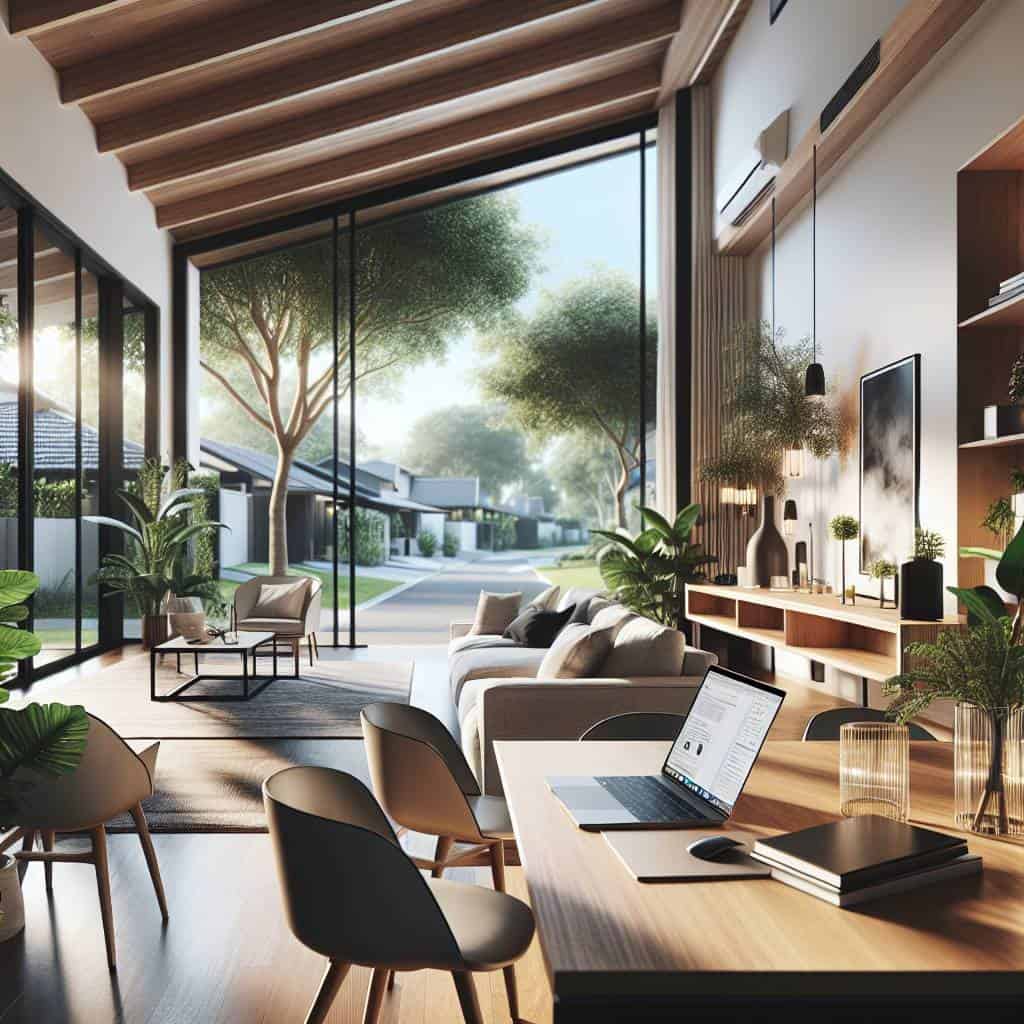
In this article, I’m not here to sugarcoat the so-called ‘freedom’ that remote work promises. Instead, I’ll dissect how our housing preferences have been flipped on their heads. Expect a no-nonsense dive into the demographic shifts that are redefining our cities, the suburban boom that’s reshaping the landscape, and what the future holds for those of us caught in this housing limbo. Let’s cut through the fluff and get to the gritty reality of where we might be living next.
Table of Contents
Dissecting the Urban Exodus
Remote work hasn’t just shifted where we live; it’s redefined what ‘home’ means. The suburbs are no longer just sleepy retreats; they’re the new frontier of urban ambition.
Remote Work’s New World Order
As I reflect on the seismic shifts remote work has triggered in the housing landscape, one thing is clear: change doesn’t ask for permission. It barges in, flipping the script on our urban narratives. Cities, once the pulsating heart of ambition, are now finding themselves ghosted by the very workforce that kept them alive. The allure of suburban sprawl isn’t just about more space; it’s the siren call of freedom, of choosing lifestyle over location. And while urban centers scramble to reinvent themselves, the suburbs quietly thrive, becoming the unexpected champions of this new age.
This isn’t a temporary hiccup. It’s a full-blown revolution, reshaping how we define home and work. The demographic shifts we’re witnessing are not mere statistics; they’re the whispers of a future where cities and suburbs must coexist in unexpected ways. As we stand on the brink of this transformation, it’s not about predicting every twist and turn. It’s about embracing the uncertainty, recognizing that our choices today will carve the path for tomorrow’s trends. And perhaps, in this unpredictable dance, we’ll find a balance that speaks to both our roots and our aspirations.
