 By
By I once walked past a construction site near my apartment, and I swear it was like watching a magic trick. One day there’s a gaping hole in the ground, the next, a concrete monolith. But here’s the kicker: every time one of these towers rises, it seems like my rent follows suit. It’s almost comical—except for the part where it’s not. The skyline gets a facelift, but I’m left wondering if I’ll ever afford more than a shoebox in this city. The relentless march of cranes and bulldozers doesn’t just change the view; it shifts the very ground beneath our financial feet.
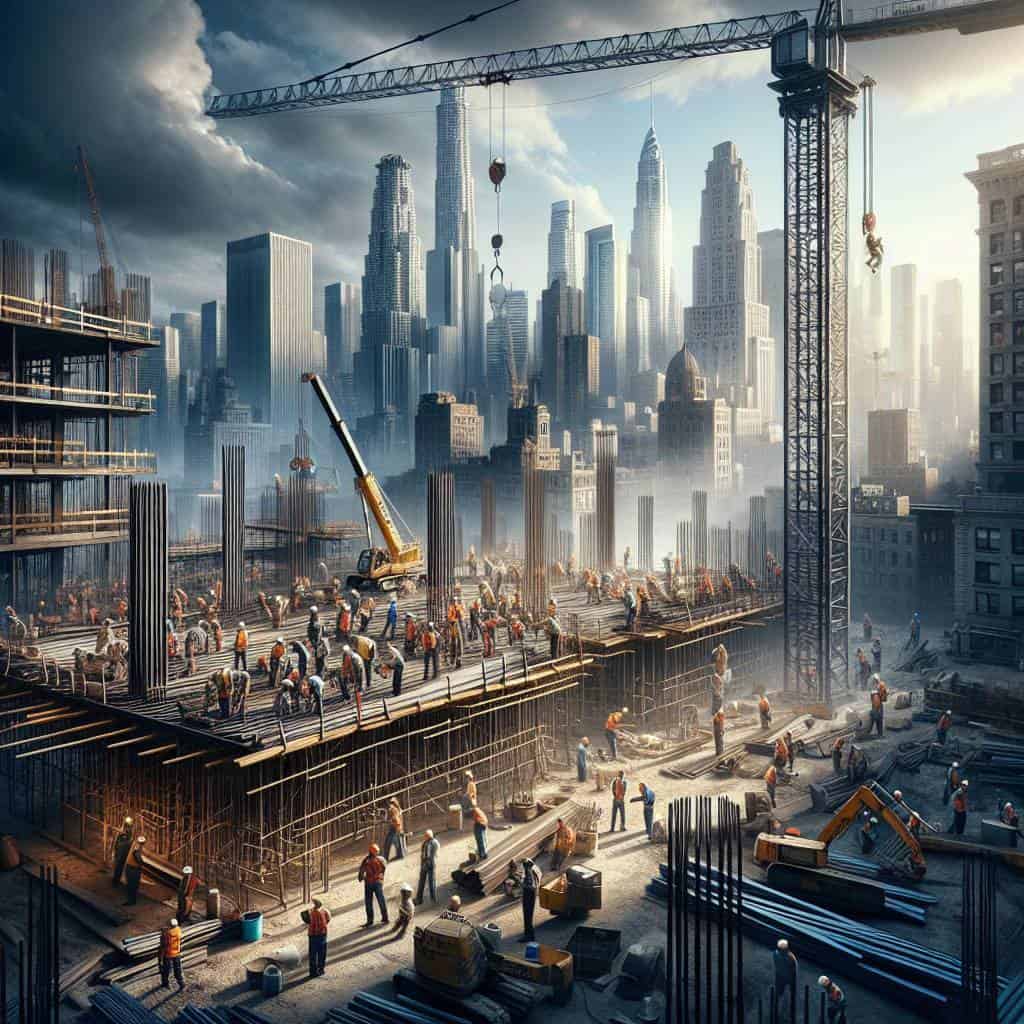
If you’re tired of the same old song and dance about supply and demand, stick around. I’m not here to serve up stale economic theories. I’ll slice through the noise and dig into what these new constructions really mean for you and me. We’ll talk about housing, price hikes, building permits, and why the market feels like a giant game of Monopoly that I never signed up for. So, let’s pull back the curtain and see what’s really going on behind those glossy promotional brochures.
Table of Contents
When Housing Dreams Turn Into Nightmares: The Dark Side of Building Permits
Picture this: you’ve got your heart set on building your dream home. You sketch out the plans, envisioning every detail from the sleek kitchen countertops to the cozy reading nook by the bay window. But then, reality hits you with the force of a sledgehammer: the building permit process. It’s that bureaucratic beast lurking behind every brick and beam, and it’s got the power to turn your housing dreams into nightmares. You thought getting the permit was a mere formality? Think again. It’s a labyrinth of red tape, unexpected fees, and endless waiting that can stall your project indefinitely, jacking up costs and stretching your patience to the breaking point.
Now, let’s talk about the ripple effect. Every time these permits create delays, they squeeze the housing supply tighter. And what happens when supply can’t keep up with demand? Prices skyrocket. Builders aren’t just battling the clock, they’re wrestling with regulations that can vary wildly from one jurisdiction to another. One misstep, and you’re back to square one. Meanwhile, buyers and renters feel the squeeze as their budgets are stretched to the limit. The market becomes a pressure cooker, with people fighting over crumbs in a landscape of scarcity. So, while shiny new constructions promise to ease the market strain, the reality is that the permit process often throws a wrench in the works, leaving us with a housing market that’s anything but balanced.
Unmasking the Illusion of Progress
Every new high-rise that scrapes the sky doesn’t just redefine the skyline; it bulldozes the very foundation of affordable living. It’s the paradox of progress—where every permit signed is a promise broken.
The Concrete Jungle Chronicles
In the end, what stands out to me is the relentless march of progress that often leaves the average citizen in its wake. Every new steel beam and glass façade is a testament to ambition, but it’s also a reminder of the widening gap between what’s built and who truly benefits. We’ve created a landscape where the gleaming towers tell stories of wealth and opportunity, yet many of us are left peering in from the outside, wondering when our turn will come.
This journey through the maze of housing markets and construction blues has only reinforced my belief that numbers and permits alone can’t capture the human cost of urban development. The raw truth is that market dynamics are as much about people as they are about profit. It’s up to us to demand transparency and accountability in how these structures rise, because at the end of the day, a city’s worth isn’t measured in square footage but in the lives it enriches—or overlooks.
