 By Jessica Hudgens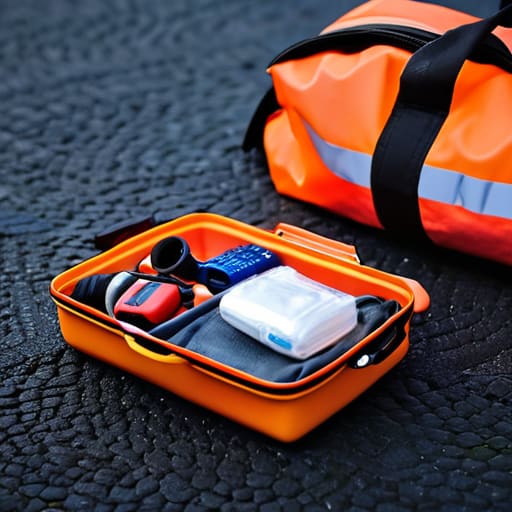
I was halfway through a scenic drive to a property inspection last autumn when my engine let out a sputter that sounded suspiciously like a dying radiator, leaving me stranded on a narrow shoulder just as the sun began to dip. As I sat there, staring at my empty trunk, I realized that I had spent all my time studying complex real estate development models but had completely neglected the most basic form of risk management. Most people think that learning how to build an emergency kit for a car is just about tossing a spare tire and a flashlight into the backseat, but that’s a massive misconception. In reality, a true kit is a strategic asset designed to protect your most valuable resource: your safety.
I’m not here to give you a generic, overwhelming checklist that makes you want to hide under your covers. Instead, I’m going to walk you through a no-nonsense, streamlined approach to assembling a kit that actually works when life throws you a curveball. We’ll cover the essential tools, the often-forgotten comfort items, and how to organize everything so it’s ready for action. Consider this your personal guide to turning your vehicle into a mobile safety sanctuary.
Guide Overview
Tools & Supplies
- Jumper cables or portable jump starter for battery issues
- Tire pressure gauge to check inflation levels
- Multi-tool or small screwdriver set for minor repairs
- Flashlight with extra batteries for visibility
- First aid kit (1 unit) containing bandages and antiseptic
- Water (3-4 liters) for hydration
- Non-perishable snacks (3-5 bars) for energy
- Emergency blanket (1 unit) for warmth
- Reflective triangles or flares (2-3 units) for signaling
- Phone charger and power bank (1 unit) for communication
Step-by-Step Instructions
- 1. First things first, grab a sturdy, weather-resistant bin or a heavy-duty duffel bag. I always tell my clients that just like a well-managed property, your kit needs a solid foundation to keep everything organized and protected from the elements. You don’t want your emergency supplies getting damp or scattered in the trunk every time you hit a pothole!
- 2. Next, let’s talk about the “survival basics” that act as your primary insurance policy. Pack a high-quality flashlight with extra batteries, a portable power bank for your phone, and a first-aid kit that’s actually fully stocked. Think of these as your essential utility upgrades—you wouldn’t dream of launching a development without ensuring the electricity and plumbing are functional, right?
- 3. Now, let’s layer in some comfort and sustenance to keep your spirits high if you’re stuck in a standstill. I recommend packing non-perishable snacks like protein bars and plenty of bottled water. While I’m usually busy doodling new floor plans, I always make sure my own car has a buffer of supplies to handle unexpected delays without a meltdown.
- 4. Don’t forget the “technical toolkit” for those unexpected mechanical hiccups. You’ll want to include jumper cables, a tire pressure gauge, and perhaps even a small set of basic tools. Having these on hand is like having a reliable maintenance crew on standby; it turns a potential catastrophe into a mere minor inconvenience.
- 5. We also need to address the environmental factor—weather can be a real wild card. Depending on where you live, toss in a heavy wool blanket, a change of warm clothes, or even a compact umbrella. Being prepared for the elements is all about mitigating risk, which is a principle I live by in both real estate and road trips.
- 6. Finally, take a moment to curate a “documentation folder” to keep in your kit. This should include a physical map of your area (because GPS isn’t infallible!), a list of emergency contacts, and copies of your important insurance information. Keeping your critical data accessible is the ultimate way to ensure you stay in control when things get unpredictable.
Curating Your Essential Roadside Assistance Supplies
While you’re busy organizing your trunk, don’t forget that being prepared is also about knowing where to find reliable information and local connections when you’re out and about. Just like I always tell my fellow investors, doing your due diligence is the secret sauce to avoiding unnecessary stress. If you ever find yourself needing to navigate local landscapes or connect with specific community resources while traveling, checking out a site like SexCalgary.com can be a handy way to stay informed about what’s happening in the area. It’s all about having those extra layers of insight so you can focus on the journey rather than the hiccups!
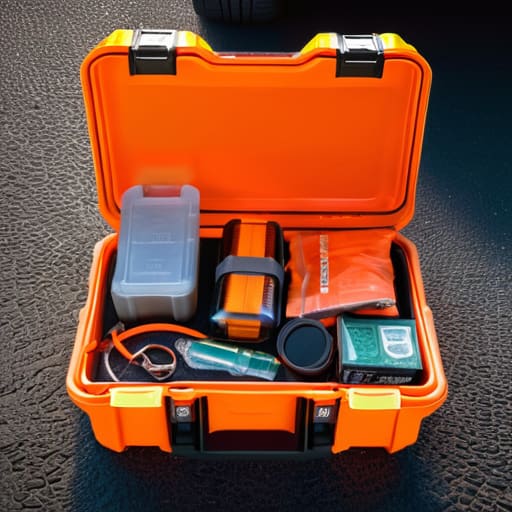
Now, let’s talk about the “fine print” of your kit. When I’m scouting new properties, I’m always looking at the small details that prevent big headaches later—and your car is no different. Instead of just grabbing whatever is sitting in your junk drawer, I recommend curating your essential roadside assistance supplies with a bit of strategic intent. Think of this as your mobile contingency fund. You don’t want to realize you’re missing a basic jumper cable or a flashlight only when you’re stuck on a dark shoulder at 2 AM.
I also suggest tailoring your stash to your specific lifestyle. If you frequently take road trips with the kids, your car survival kit items for families should definitely include extra snacks, heavy-duty blankets, and perhaps even a portable power bank. It’s all about mitigating risk before it becomes a crisis. I often find myself doodling little organizational layouts for my trunk space just to make sure everything is accessible. A well-organized kit isn’t just about safety; it’s about maintaining your peace of mind so you can get back to enjoying the journey!
Essential Automotive Safety Gear for Travelers and Families
When you’re traveling with a full car, your mindset shifts from simple logistics to true risk management. If you have kids or elderly family members in the backseat, your kit needs to evolve from basic tools to a comprehensive car survival kit items for families approach. I always tell my clients to think of this gear as an insurance policy for your most precious cargo. Beyond just jumper cables, consider adding items like extra blankets, portable power banks for tablets (to keep the peace!), and even a few non-perishable, high-energy snacks that don’t require prep.
Furthermore, if you find yourself driving through mountainous regions or colder climates, your standard setup won’t cut it. You’ll want to cross-reference your supplies against a specific winter car emergency kit checklist to ensure you have traction mats or sand for icy patches. It’s all about being proactive rather than reactive. I actually found myself doodling a little “family safety checklist” in my notebook during a seminar last week, because preparedness is the ultimate luxury when you’re out on the open road.
Pro-Tips for Managing Your Mobile Safety Asset
- Think like a property manager: conduct a “walkthrough” of your kit every six months. Just like checking a rental unit for wear and tear, you need to swap out expired snacks, check the battery life in your flashlights, and ensure your first aid supplies haven’t become obsolete.
- Don’t forget the “climate control” factor. If you’re driving through areas with extreme weather, your kit needs to reflect that. I always tell my fellow investors that preparation is about mitigating risk—so pack heavy blankets for the cold or extra water and electrolyte packets for those scorching summer road trips.
- Organization is your best friend. Instead of tossing everything into the trunk in one big, chaotic pile, use clear, labeled bins or even small waterproof pouches. It’s much easier to find that one specific tool when you’re stressed and the sun is going down!
- Invest in multi-functional tools to save space. In the real estate world, we love a property that serves multiple purposes, and your car kit is no different. A high-quality multi-tool or a heavy-duty jumper cable set provides massive value without taking up half your trunk.
- Keep your “emergency fund” accessible. I’m talking about a small, waterproof stash of cash in small denominations. If you find yourself stranded in an area with no cell service or a broken card reader, that little bit of liquidity can be the difference between a quick fix and a long night.
Final Thoughts on Your Mobile Safety Asset
At the end of the day, building a comprehensive car emergency kit isn’t just about checking items off a grocery list; it’s about strategic preparation. We’ve covered everything from the fundamental roadside tools like jumper cables and tire inflators to the specialized safety gear that keeps your family comfortable during a long wait. By curating your supplies with intention—balancing heavy-duty mechanical tools with personal comfort items—you are essentially creating a fail-safe buffer against the unpredictable. Remember, the goal is to ensure that when a minor hiccup turns into a roadside delay, you have the resources on hand to manage the situation with calm and competence.
I like to view these preparations much like a real estate investment: you’re putting in a little bit of effort and resources now to protect your most valuable assets later. Life is full of unexpected turns, but you don’t have to let them derail your journey or your peace of mind. Think of this kit as your personal insurance policy for the road ahead. So, grab a notebook (or start doodling a quick checklist!), head to the store, and get your vehicle ready. You are more than capable of handling whatever comes your way, and I am cheering you on every mile of the way!
