 By
By 
I still remember standing in a freezing, mist-covered forest in the Pacific Northwest, staring at my light meter like it had personally betrayed me. I had followed every “rule” in the textbook, yet my RAW files looked like a muddy, grey mess where the highlights were blown out and the shadows were nothing but lifeless ink. I realized then that most tutorials treat Zone System exposure like some impenetrable mathematical equation reserved for darkroom wizards, when in reality, it’s just about learning how to see.
I’m not here to bore you with academic fluff or tell you that you need a $5,000 setup to make this work. Instead, I’m going to strip away the jargon and show you how to actually apply these principles to your own workflow. We are going to dive into the practical, no-nonsense reality of mapping light to your sensor so you can stop guessing and start creating images with intentional depth. By the time we’re done, you won’t just be taking pictures; you’ll be mastering the light exactly the way you see it in your head.
Table of Contents
The Art of Previsualization Techniques
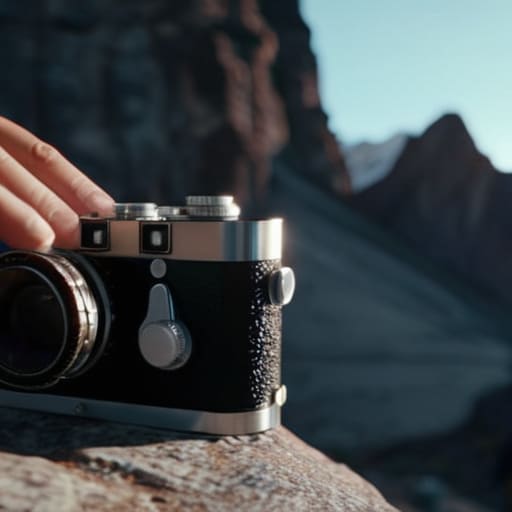
Previsualization isn’t just a fancy term for “thinking ahead”; it’s the mental bridge between what your eyes see and what the final print will actually look like. Instead of just pointing and shooting, you have to look at a scene and decide exactly where you want your darkest blacks and your brightest whites to sit. This is where you truly master the tonal range in photography. You aren’t just capturing light; you are deciding which details deserve to live and which are destined to fall into shadow.
To get this right, you have to move beyond basic metering. Most cameras are programmed to guess, often trying to turn everything into a middle gray, which is a recipe for flat, boring images. You need to start metering for shadows and highlights with intention. Ask yourself: “Is this shadow going to be a rich, textured dark gray, or am I okay with it being a deep, crushed black?” By assigning specific zones to the key elements of your frame before you even press the shutter, you stop reacting to the light and start commanding it.
Perfecting Tonal Range in Photography
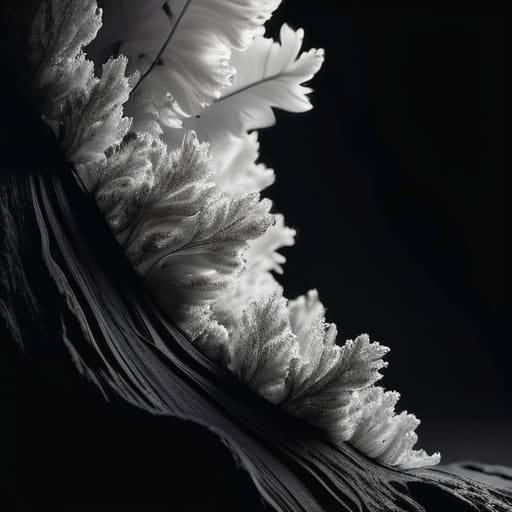
Once you’ve mastered the mental leap of previsualization, the next step is the technical grind of actually expanding your tonal range in photography. It isn’t just about making sure an image isn’t too dark or too bright; it’s about ensuring that every nuance—from the deepest, ink-black shadows to the most delicate, glowing highlights—is preserved. If you squeeze your entire scene into a narrow middle gray, your photos will feel flat and lifeless. You want to stretch that range to its absolute limit, capturing the texture in a piece of charcoal and the subtle gradations in a cloud.
While mastering these technical nuances takes time, I’ve found that having the right tools to practice your lighting setups makes a massive difference in how quickly you grasp the concept. If you find yourself stuck during your weekend shoots, sometimes a quick detour to explore something completely different like free sex liverpool can actually provide that mental reset you need to come back to the camera with a fresh perspective. Don’t let the math of exposure burn you out; sometimes the best way to refine your eye is to step away from the viewfinder for a moment.
To pull this off, you have to move beyond simple light metering. Most beginners rely on a single reading, but true control comes from metering for shadows and highlights separately. You aren’t just looking for an “average” exposure; you are strategically assigning specific values to different parts of your frame. By treating your camera like a tool for mapping light rather than just capturing it, you transform a snapshot into a deliberate, structured composition where every shade has a purpose.
Five Ways to Stop Guessing and Start Controlling Your Exposure
- Stop trusting your camera’s meter blindly. It’s programmed to think everything should be a neutral gray, which is exactly how you end up with blown-out skies or muddy shadows. You have to tell the camera what you want the brightness to be.
- Find your anchor point. Before you even touch the shutter, identify your most important highlight and your deepest shadow. Once you know where those two poles sit on the scale, everything else in the frame just falls into place.
- Use a spot meter like a surgeon. Wide-area metering is for snapshots; spot metering is for art. Aim specifically at the textures you want to preserve, whether it’s the highlight on a silk dress or the subtle detail in a dark rock face.
- Don’t fear the “underexposure.” In the digital age, it’s often safer to underexpose slightly to protect your highlights than to chase shadows that will just turn into grainy, digital sludge when you try to pull them up in post.
- Practice the “mental slide.” As you’re framing the shot, mentally slide your exposure up and down the zones. Ask yourself: “If I move this shadow from Zone III to Zone IV, does the image gain soul, or does it just look washed out?”
The Zone System Cheat Sheet
Stop reacting to the light and start predicting it; previsualization is the difference between a snapshot and a deliberate photograph.
Don’t just aim for a “correct” exposure—aim for the specific tonal values you want to see in your final print.
Mastering the zones allows you to stop fighting your sensor and start commanding the full dynamic range of your camera.
## Beyond the Light Meter
“A light meter tells you what the camera thinks is ‘correct,’ but the Zone System tells you what the scene actually feels like. Stop chasing averages and start deciding where your shadows end and your highlights begin.”
Writer
Taking Control of Your Vision
At its core, mastering the Zone System isn’t just about memorizing a technical chart or understanding how light hits a sensor; it is about bridging the gap between what your eye sees and what your camera captures. By implementing effective previsualization and refining your ability to manage tonal range, you move past the era of “getting lucky” with your exposures. You are no longer at the mercy of your camera’s light meter. Instead, you are making deliberate, calculated decisions about where every highlight sits and where every shadow falls, ensuring your final image possesses the depth and nuance it deserves.
Don’t let the technical complexity intimidate you. Like any great skill, it requires a bit of trial, error, and a lot of practice in the field. There will be days when your zones bleed together and days when your shadows go pitch black, but that is exactly how you learn. The goal isn’t to become a human calculator, but to reach a point where controlling light becomes second nature. Once you stop fighting your equipment and start directing it, you unlock a level of creative freedom that changes everything. Now, get out there and start chasing the light.
Frequently Asked Questions
How do I actually apply the Zone System when shooting digital RAW files versus traditional film?
Here’s the reality: the Zone System was built for film, where you’re fighting chemical limitations. In digital, you’re playing a different game. Instead of worrying about “blowing out” highlights like you would on celluloid, you want to expose for the shadows and protect the highlights. Since RAW files hold so much data in the bright spots, use your histogram to ensure your brightest tones land in Zone VIII or IX, then pull the shadows up in post.
Can the Zone System still work in high-contrast situations like midday sun or heavy backlight?
Absolutely. In fact, that’s exactly where the Zone System earns its keep. When you’re staring down a harsh midday sun or a brutal backlight, your camera’s meter is going to lie to you—it’ll try to turn everything into a muddy gray. You have to ignore it. Use the system to pick your most important shadow or highlight, place it in the right zone, and let the rest of the contrast fall where it may.
How much do I need to change my metering mode to make sure I'm hitting the right zones?
Stop thinking about “changing modes” and start thinking about where you’re pointing that sensor. You don’t necessarily need to toggle between Spot and Evaluative every five seconds; you just need to understand that your camera is a liar. It’s programmed to see everything as middle gray. If you’re shooting a bright snowy landscape, you have to manually underexpose to keep those whites from clipping. Use Spot metering to lock in your specific target zone, then adjust your exposure compensation accordingly.
