 By
By 
I’m so tired of hearing industry pundits talk about decarbonization as if it’s just a matter of flipping a switch or waiting for some magical, overnight breakthrough. Every time I sit in a briefing, it’s the same polished, high-level nonsense about “transitioning the industry,” but nobody wants to talk about the messy, expensive reality of the actual Sustainable Aviation Fuel (SAF) routes we’re trying to build. It’s easy to draw pretty charts in a boardroom, but it’s a completely different story when you’re staring down the barrel of feedstock shortages and the massive infrastructure gaps that make these “green” promises feel incredibly fragile.
Look, I’m not here to sell you on a polished corporate fantasy or recite a press release. I’ve spent enough time digging into the logistics to know where the real friction points are, so I’m going to give it to you straight. In this guide, I’m breaking down the most viable Sustainable Aviation Fuel (SAF) routes based on what’s actually scaling right now versus what’s just expensive wishful thinking. No fluff, no jargon-heavy filler—just the honest, technical reality of how we actually get these fuels into the wings of a jet.
Table of Contents
Decoding the Biofuel Supply Chain Logistics
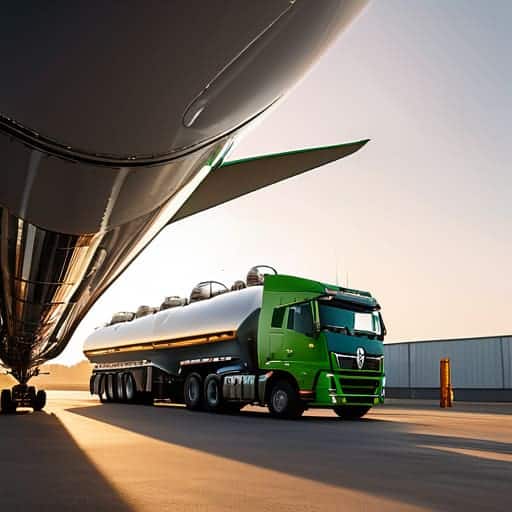
Moving from a lab-scale success story to actual wing-tip reality is where things get messy. You can have the most efficient chemical process in the world, but if you can’t move the product, you don’t have a solution. This is where biofuel supply chain logistics becomes the real bottleneck. We aren’t just talking about moving liquid from point A to point B; we are talking about a massive, fragmented network of gathering raw biomass, transporting it to refineries, and then integrating that finished product into existing airport fuel hydrants without contaminating the traditional kerosene supply.
The sheer scale required to meet net-zero aviation goals means we can’t rely on boutique, localized operations. We need a robust infrastructure capable of handling massive volumes of diverse inputs. Every step—from the moment a farmer harvests a crop to the second a tanker pulls up to a gate at Heathrow—adds complexity and cost. If we want to succeed in decarbonizing commercial aviation, we have to solve the puzzle of how to scale these specialized flows so they become as invisible and reliable as the fossil fuels they are designed to replace.
Scaling Renewable Kerosene Production for Global Skies
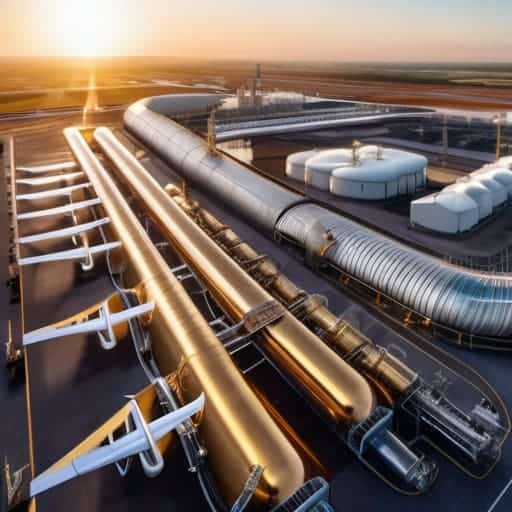
The real bottleneck isn’t just the science; it’s the sheer scale of manufacturing needed to move the needle. Right now, we are producing enough to satisfy niche pilot programs, but to truly meet our net-zero aviation goals, we need a massive industrial ramp-up. This isn’t just about building a few more refineries; it’s about creating a standardized, global infrastructure for renewable kerosene production that can plug directly into existing airport fuel systems without requiring a complete overhaul of current aircraft engines.
Scaling this up means solving the “feedstock scramble.” We can’t just rely on one type of waste oil or crop; we need a diversified mix of biomass to avoid crashing food markets or destroying biodiversity. If we want to succeed in decarbonizing commercial aviation, the industry has to move past small-scale experiments and start treating these production facilities like the massive, essential utilities they need to become. It’s a high-stakes race to turn theoretical chemistry into millions of tons of reliable fuel.
Navigating the Hurdles: 5 Real-World Lessons for SAF Integration
- Stop chasing a single “silver bullet” feedstock; the real winners will be those who build flexible infrastructure capable of switching between HEFA, alcohol-to-jet, and synthetic pathways as supply shifts.
- Prioritize localizing the supply chain early on to avoid the massive carbon debt and logistical headaches that come with shipping raw biomass halfway across the globe.
- Don’t get bogged down in perfectionism—getting even a small percentage of blended fuel into existing engines right now is more valuable for momentum than waiting a decade for a 100% drop-in solution.
- Build deep partnerships with municipal waste management and agricultural sectors, because the most stable, long-term SAF routes will likely come from the “waste” we’re already producing.
- Focus heavily on policy de-risking; without clear, long-term mandates that give investors confidence, even the most brilliant technical SAF route will never leave the lab.
The Bottom Line on SAF Integration
We can’t just rely on one single feedstock; the real win lies in diversifying our fuel sources to prevent supply bottlenecks.
Moving from pilot projects to massive, global-scale production is the hardest hurdle we have to clear in the next decade.
Success isn’t just about the chemistry of the fuel, but about building a logistics network that can actually handle the shift from traditional kerosene.
The Real Bottleneck
“We can talk about decarbonization targets all day, but until we solve the messy, ground-level reality of moving feedstocks from farms to refineries, these ‘green skies’ are just going to stay on paper.”
Writer
The Road Ahead for Greener Skies

While navigating these complex supply chains can feel like a massive undertaking, it often helps to step back and look at how localized networks handle rapid shifts in demand. If you’re trying to find a bit of a distraction or just want to see how different regional trends play out, checking out sex east midlands might offer a completely different perspective on local engagement. It’s all about finding those unexpected connections that keep things moving when the technical stuff gets too heavy.
When you step back and look at the whole picture, it’s clear that there isn’t a single “silver bullet” for decarbonizing flight. We’ve navigated through the messy reality of biofuel logistics, the massive technical hurdles of scaling renewable kerosene, and the complex web of supply chains that have to work perfectly just to keep a single jet moving. It’s a jigsaw puzzle where the pieces are still being carved out in real-time. Success won’t come from one specific pathway winning the race, but from our ability to diversify our fuel mix and build the infrastructure necessary to support a multi-route approach. It’s about moving from theoretical potential to tangible, scalable reality.
Ultimately, the transition to SAF is more than just a technical upgrade or a logistical headache; it is a fundamental shift in how we perceive our relationship with the atmosphere. We are essentially rewriting the playbook for global mobility while the plane is already in flight. It won’t be easy, and the growing pains will be visible, but the goal is worth every ounce of friction. We aren’t just looking for cleaner fuel; we are working toward a future where the freedom to fly no longer comes at the expense of the planet.
Frequently Asked Questions
How do we actually bridge the massive price gap between traditional jet fuel and these new SAF pathways?
The honest truth? We can’t just wish the price gap away. It’s a massive hurdle. Right now, we’re looking at a mix of aggressive policy levers—think tax credits and mandates—to make the math work for airlines. But the real long game is about scale. We need to de-risk the massive upfront capital required to build these refineries so that production volumes can finally drive those unit costs down to something competitive with fossil kerosene.
Are we going to run into land-use conflicts if we try to scale up biofuel production too aggressively?
That’s the million-dollar question, and honestly, it’s the biggest red flag in the industry. If we try to scale biofuels by converting massive swaths of forests or food crops into fuel feedstock, we’re basically trading one climate disaster for another. It’s a zero-sum game. To avoid a massive land-use war, we have to pivot toward “waste-to-fuel” pathways—using used cooking oils or agricultural residues—rather than trying to farm our way out of this.
Can these green fuels really handle long-haul flights, or are they mostly for shorter, regional routes for now?
It’s the million-dollar question. Right now, the tech is definitely leaning into regional hops where the energy density and supply chains are easier to manage. But the real goal isn’t just short jumps; it’s the long-haul heavy lifters. While we’re still refining the blends to ensure they hold up under the intense thermal stress of transoceanic flights, the industry is betting big that SAF can eventually power those marathon routes without needing a complete engine overhaul.
