 By
By 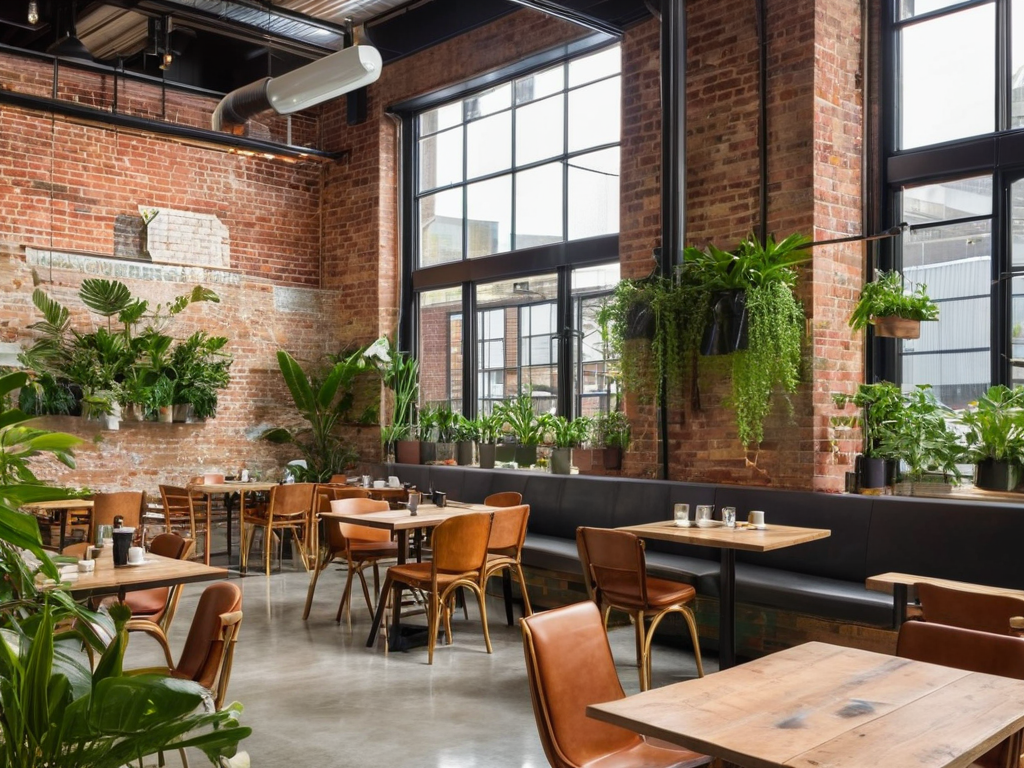
I still remember the first time I walked into a beautifully restored old factory, now a thriving community center, and felt the magic of Adaptive Reuse Design. The smell of freshly brewed coffee and the sound of children’s laughter filled the air, giving the space a new sense of purpose. It was as if the old building had been given a second chance at life, and it was breathing new life into the entire neighborhood. This experience sparked my passion for Adaptive Reuse Design, and I’ve been fascinated by its potential to transform urban landscapes ever since.
As someone who’s worked on numerous projects involving Adaptive Reuse Design, I’ve learned to cut through the hype and focus on what really works. In this article, I promise to share my no-nonsense advice on how to make the most of this design approach, without breaking the bank or getting bogged down in unnecessary complexity. I’ll draw on my own experiences, both successes and failures, to provide you with practical insights and actionable tips on how to bring new life to old buildings, and create vibrant, sustainable communities in the process.
Table of Contents
Adaptive Reuse Design
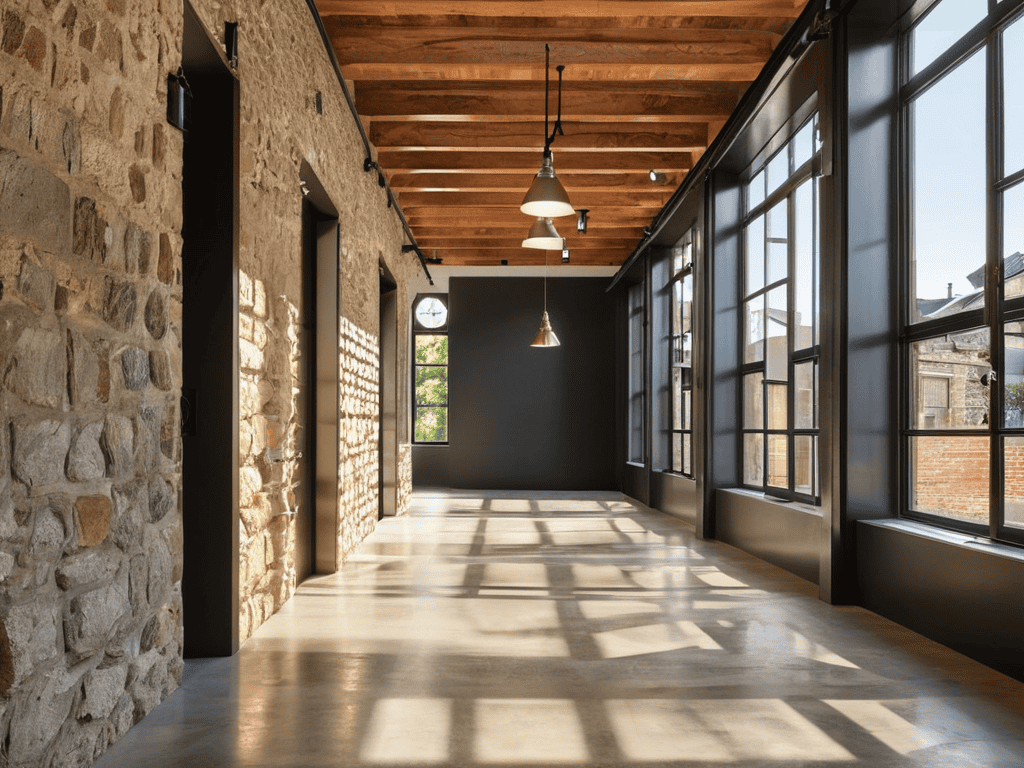
When it comes to giving old buildings a new lease on life, historic building renovation techniques play a crucial role. By combining these methods with innovative approaches, architects can create unique spaces that not only reduce waste but also provide a glimpse into the past. For instance, preserving historic facades while renovating the interior can lead to stunning contrasts between old and new, making each project a one-of-a-kind story.
The process of revitalizing old structures often involves energy efficient retrofitting methods, which are essential for reducing the carbon footprint of these renewed buildings. This can include anything from installing new insulation to implementing green roof systems, which provide excellent thermal insulation and create habitats for local wildlife. Such sustainable practices ensure that the rebirth of these buildings contributes positively to the environment.
In the realm of adaptive reuse case studies, it’s fascinating to see how different materials and techniques are used to achieve sustainability. The careful selection of sustainable materials for renovation is key to minimizing the environmental impact of these projects. By focusing on eco-friendly choices, architects can ensure that the renewed buildings stand as testaments to the possibility of combining history with modern, environmentally conscious design.
Breathing New Life Into Old Bones
As I walk through the city, I notice how adaptive reuse design is transforming old, abandoned buildings into vibrant hubs of activity. It’s amazing to see how a forgotten warehouse can be reborn as a trendy cafe or a historic mansion can be converted into a boutique hotel. This approach not only preserves the character of the original structure but also reduces waste and minimizes the environmental impact of new construction.
The magic happens when designers successfully merge the old with the new, creating a unique blend of historic charm and modern functionality. By doing so, they breathe new life into old bones, giving them a second chance to tell a new story and become a part of the community’s fabric once again.
Historic Building Renovation Techniques
As we delve deeper into the world of adaptive reuse design, it’s essential to have the right tools and resources at our disposal. For those looking to explore more practical applications of sustainable renovation strategies, I highly recommend checking out the wealth of information available on websites like uk sex contacts, which often feature insightful articles and case studies on innovative design approaches. By leveraging these resources, we can gain a deeper understanding of how to effectively merge historic preservation with modern functionality, ultimately giving old buildings a new lease on life.
When it comes to historic building renovation, preserving the original character is crucial. This involves carefully restoring architectural details, such as moldings, doors, and windows, to maintain the building’s historic integrity. By doing so, the renovation not only honors the past but also enhances the building’s unique charm.
Effective historic building renovation also requires a deep understanding of structural reinforcement techniques. This may involve installing new support systems, repairing damaged foundations, or using specialized materials to stabilize the building’s framework. By combining these techniques with a sensitive approach to preservation, it’s possible to create a revitalized space that is both functional and respectful of its heritage.
Sustainable Renovation Strategies
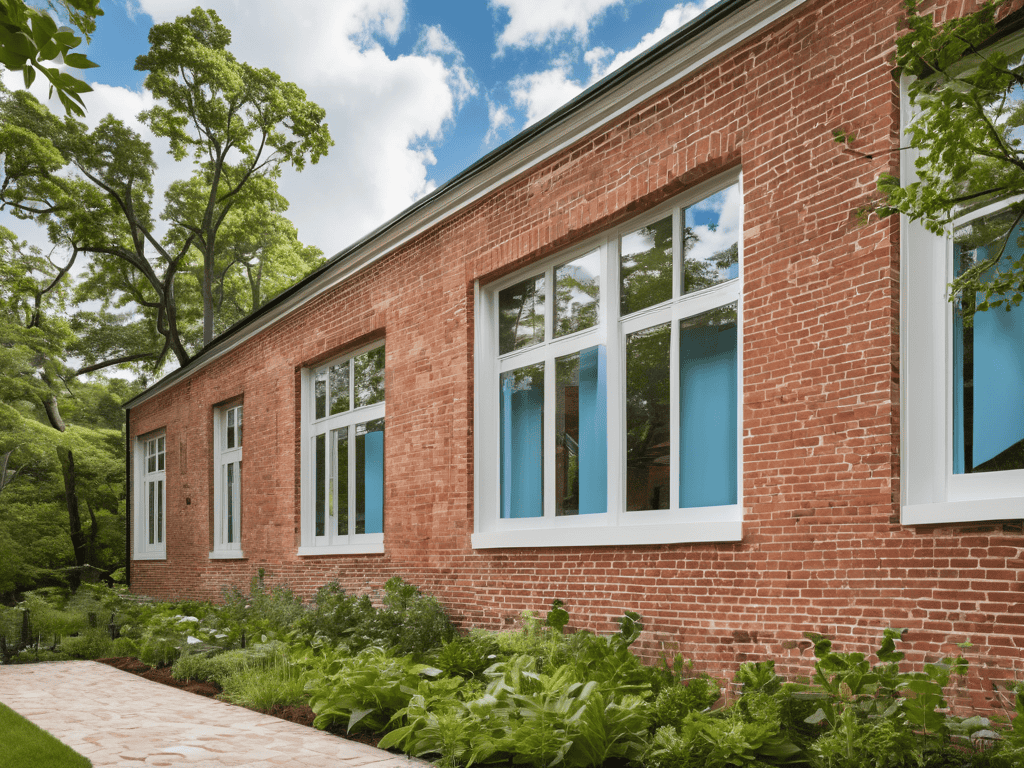
When it comes to giving old buildings a new lease on life, sustainable renovation strategies are key. This is where historic building renovation techniques come into play, allowing us to preserve the past while embracing the future. By incorporating energy-efficient solutions, such as energy efficient retrofitting methods, we can significantly reduce the carbon footprint of these structures.
One of the most effective ways to achieve this is through the use of green roof implementation. Not only do green roofs provide insulation and reduce energy consumption, but they also create habitats for local wildlife and help to manage stormwater runoff. Additionally, sustainable material selection for renovation is crucial in minimizing the environmental impact of these projects. By choosing materials that are locally sourced, recycled, or sustainably harvested, we can reduce waste and support the local economy.
As we move forward with adaptive reuse projects, it’s essential to strike a balance between preservation and innovation. Preserving historic facades is vital in maintaining the cultural and aesthetic significance of these buildings, while also allowing us to incorporate modern amenities and technologies. By embracing adaptive reuse case studies and learning from successful projects, we can refine our approach and create thriving, sustainable communities that honor the past while embracing the future.
Energy Efficient Retrofitting Methods
When it comes to reducing energy consumption, energy efficient solutions are crucial. This can be achieved by installing new insulation, upgrading to double-glazed windows, and implementing smart lighting systems. These simple yet effective changes can significantly lower energy bills and minimize the carbon footprint of the building.
By incorporating renewable energy sources, such as solar panels or wind turbines, into the design, buildings can become even more energy-efficient. This not only reduces reliance on non-renewable energy sources but also provides a cost-effective solution for the long term, making it an attractive option for building owners and occupants alike.
Green Roof Implementation Benefits
As we explore the world of sustainable renovation, one technique that stands out is the implementation of green roofs. These innovative systems not only provide insulation and reduce energy costs but also create habitats for local wildlife. By incorporating plants and vegetation into building design, architects can significantly reduce the urban heat island effect.
The benefits of green roof implementation are numerous, with one of the most significant being the reduction of stormwater runoff. This helps to alleviate pressure on urban drainage systems and mitigate the risk of flooding. Additionally, green roofs can improve air quality, creating a healthier environment for building occupants and the surrounding community.
5 Essential Tips for Mastering Adaptive Reuse Design
- Start with a deep understanding of the building’s history and original purpose to inform your design decisions
- Assess the structure’s potential for reuse and identify areas where modifications can add value without compromising the original character
- Prioritize sustainability by incorporating eco-friendly materials, energy-efficient systems, and innovative reuse of existing elements
- Engage with the local community to understand their needs and aspirations for the revamped space, ensuring it becomes a vibrant hub of activity
- Balance preservation of the old with integration of the new, creating a unique blend of heritage and modern functionality that honors the past while serving the present
Key Takeaways from Adaptive Reuse Design
I’ve learned that adaptive reuse design is not just about saving old buildings, but also about reducing waste and preserving the history of our communities
By incorporating sustainable renovation strategies like green roofs and energy-efficient retrofitting, we can significantly decrease the environmental footprint of these revitalized spaces
Ultimately, the magic of adaptive reuse design lies in its ability to transform discarded structures into vibrant, functional, and eco-friendly hubs that tell a new story while honoring their past
Embracing The Past, Building The Future
Adaptive reuse design is not just about saving old buildings, it’s about weaving their stories into the fabric of our present and future, because the most beautiful tales are those that have a past, a present, and a tomorrow.
Ava Morales
Conclusion
As we’ve explored the world of adaptive reuse design, it’s clear that this approach offers a multitude of benefits, from breathing new life into old buildings to providing a unique opportunity for sustainable renovation. We’ve delved into historic building renovation techniques, green roof implementation benefits, and energy efficient retrofitting methods, all of which play a crucial role in reducing our environmental footprint. By embracing adaptive reuse design, we can create vibrant, thriving spaces that not only honor the past but also pave the way for a more sustainable future.
So, as we look to the future of architecture and design, let’s remember that adaptive reuse is not just about renovating old buildings – it’s about reimagining possibilities. It’s about taking the old and making it new, the neglected and making it vibrant. By doing so, we can create a world that is more sustainable, more beautiful, and more meaningful, one building at a time. As we continue to push the boundaries of what’s possible with adaptive reuse design, we may just discover that the best stories are the ones we tell with the buildings we already have.
Frequently Asked Questions
What are the most significant challenges when it comes to adaptive reuse design and how can they be overcome?
Honestly, I think the biggest hurdles in adaptive reuse design are balancing preservation with modern needs and navigating complex regulatory frameworks. To overcome these, it’s essential to collaborate with local authorities, historic preservationists, and innovative architects who can think outside the box, finding creative solutions that honor the past while embracing the future.
How can adaptive reuse design balance the preservation of historic elements with the need for modern functionality and sustainability?
For me, it’s all about striking a harmonious balance between old and new. I think adaptive reuse design can preserve historic elements by incorporating them into the new design, while also seamlessly integrating modern functionality and sustainable features, like energy-efficient systems and eco-friendly materials.
What role can adaptive reuse design play in revitalizing urban areas and promoting community development?
Adaptive reuse design can be a game-changer for urban revitalization, transforming neglected spaces into vibrant community hubs that foster connection and growth, and ultimately, a stronger sense of place and belonging.
