 By
By I remember the first time I stumbled into a virtual reality demo for architectural visualization. There I was, standing in a bland conference room, headset on, looking like a lost astronaut. The promise was simple: “See your future home in 3D!” But let me tell you, what I saw was more like a digital purgatory of pixelated dreams. Architects were fumbling around trying to convince you this was the future while their virtual doors wouldn’t even open. Yet, amid the glitches, I saw a glimpse of genius—an inkling that this tech might just save architects from drowning in a sea of blueprints and coffee-stained paper plans.
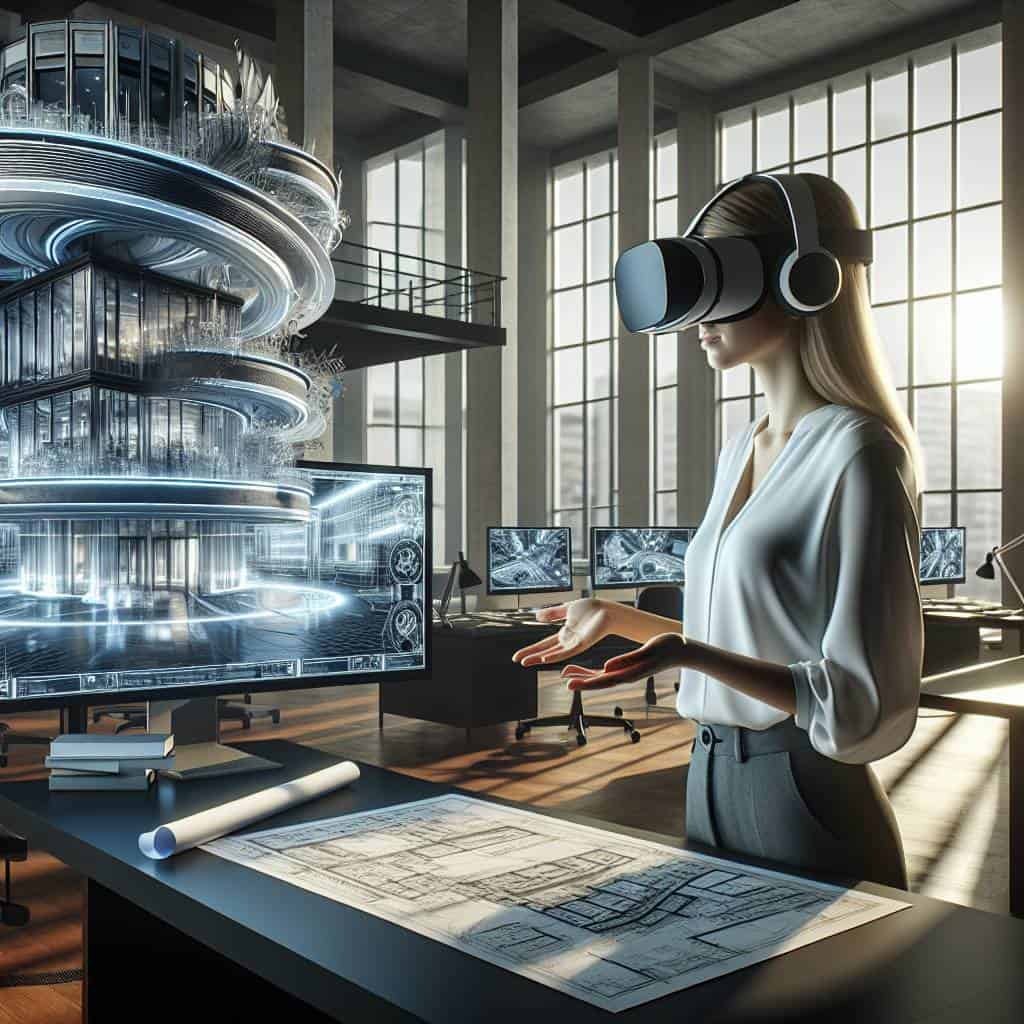
So, what can you expect from this article? We’re diving deep into the brave new world of VR in architecture. Forget the marketing fluff; we’re talking real applications—how this tool is revolutionizing design, planning, and renovations. From saving time and money to transforming the way we visualize space, VR is not just a gimmick; it’s the future. Stick with me, and we’ll cut through the noise to uncover how this tech is reshaping the landscape of architectural visualization.
Table of Contents
How Virtual Reality Turned My Renovation Dreams Into a 3D Rollercoaster
Imagine this: you’re standing in what will soon be your dream kitchen, not yet a reality, but a vivid, immersive experience thanks to virtual reality. It’s not just a tool; it’s a time machine. VR has catapulted us from the days of squinting at blueprints and guessing if that shade of teal will clash with your countertops, to a world where you can walk through your future home before a single nail is hammered. This isn’t just tech for tech’s sake—it’s revolutionizing how we plan and execute renovations. It’s the bridge between imagination and reality, and let me tell you, it’s one wild ride.
I dove into this VR realm headfirst, armed with a vision of a home that existed only in sketches and Pinterest boards. And there it was, all laid out in stunning 3D detail. Every corner, every nuance of light and shadow, right before my eyes. Suddenly, renovation wasn’t a daunting list of decisions but an interactive experience. But here’s the kicker: it wasn’t just about design aesthetics. VR let me uncover potential pitfalls—the odd angles that might trip up a cabinet installation or the way natural light would shift throughout the day. With VR, I became not just a spectator but an active participant in the creation of my space. It’s a game-changer, and once you experience it, there’s no going back to the old ways.
The Future is Now, Not Later
In the chaotic world of architectural planning, VR isn’t just a tool; it’s the compass guiding us through the fog of outdated methods. Without it, we’d be stuck in a past that can’t keep up with the demands of tomorrow.
The Future of Design is Here—and It’s Virtual
Virtual reality isn’t just a tech buzzword—it’s the secret weapon in my renovation toolkit. Sure, the future might feel like a sci-fi fever dream, but when I strap on that VR headset, I become the architect of my own world. No more guessing games with swatches or endless debates over floor plans. With VR, I walk through my future home before a single nail is hammered. I see the sunlight streaming through imaginary windows and decide if that avant-garde couch complements or clashes with my non-existent wallpaper. It’s not just a tool; it’s the ultimate cheat code for planning, designing, and executing a vision that’s uniquely mine.
But this isn’t just about personal adventures in home improvement. It’s a wake-up call for the entire industry. If you’re still relying solely on 2D blueprints and mood boards, you’re missing out on a revolution. VR is the bridge between imagination and reality, and it’s changing the game. Whether you’re a homeowner, a designer, or someone who’s ever uttered the phrase ‘trust the process,’ it’s time to embrace the digital age. Because the future isn’t some distant concept—it’s here, it’s virtual, and it’s reshaping the way we envision spaces. And honestly, it’s about damn time.

 Jessica Hudgens