 By Jessica Hudgens

I was sitting in a high-stakes investment meeting last year, staring at a blueprint of a new mixed-use development, when my mind suddenly spiraled into a chaotic mess of interest rates and zoning laws. I realized then that no matter how much “mental real estate” I thought I had, my internal foundation was actually crumbling under the stress. Most gurus will try to sell you on expensive retreats or $200 silk cushions, claiming you need a mountain top to find peace, but let me tell you: that’s just marketing fluff. Learning how to start a daily meditation practice shouldn’t require a massive capital investment or a complete lifestyle overhaul; it just requires showing up for yourself when things get loud.
I’m not here to give you some mystical, airy-fairy lecture that ignores the reality of a busy life. Instead, I want to share the practical, no-nonsense framework I use to keep my head clear amidst the chaos of property management. I’m going to walk you through the actual mechanics of building this habit, treating it less like a spiritual quest and more like laying the cornerstone of a solid building. By the end of this, you’ll have a sustainable blueprint for mental clarity that fits into your schedule, not one that demands you change your entire life to accommodate it.
Mindfulness Meditation for Beginners Laying the Groundwork

Now, I know what some of you might be thinking—sitting in silence with your own thoughts can feel a little lonely, especially when you’re just starting out. If you find that your mind wanders to your to-do list or your latest property inspection, try bringing in a bit of social connection to ground yourself. I’ve found that even just engaging in lighthearted conversations can act as a mental palette cleanser before you dive into your quiet time. For instance, if you’re looking to expand your social circle or find some community support, meeting people in Canada can be a wonderful way to practice that mindful connection with others, making the whole journey feel much less like a solo project and more like building a community.
Think of this stage like scouting a property before you ever sign a contract; you aren’t building the skyscraper yet, you’re just surveying the land. When diving into mindfulness meditation for beginners, the biggest mistake I see is people trying to “renovate” their entire mindset overnight. Instead, focus on the basics of sitting still and observing your thoughts without judgment. It’s a lot like watching the traffic flow through a new development—you don’t need to jump into the street and try to stop the cars; you just sit on the curb and notice them passing by.
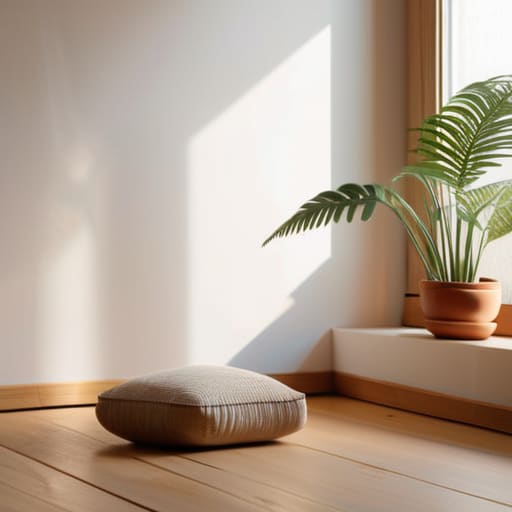
To make this stick, I highly recommend creating a peaceful meditation space that feels like your own private sanctuary. It doesn’t need to be a sprawling zen garden; even a dedicated corner of your living room with a comfortable cushion will do. While everyone asks about the best time of day to meditate, my professional advice is to pick the time when your “occupancy rate” is lowest—usually first thing in the morning before the chaos of emails and property inspections kicks in. Once you find that rhythm, you’ve officially laid the groundwork for long-term mental equity.
Finding the Best Time of Day to Meditate

Now, let’s talk logistics—because as any property manager knows, timing is everything. You wouldn’t try to schedule a major renovation in the middle of a tenant’s move-in day, right? The same logic applies here. When searching for the best time of day to meditate, don’t feel pressured to follow a “one size fits all” blueprint. Some of my fellow investors swear by the early morning, treating it like a pre-market ritual to clear the mental fog before the chaos of the day begins. Others find that a sunset session acts as the perfect way to decompress after a long day of site visits and paperwork.
The real secret to success isn’t finding a “perfect” hour on the clock; it’s about building a rhythm that actually sticks. If you try to force a 5:00 AM session but you’re a total night owl, you’re essentially trying to build a skyscraper on quicksand. Instead, look for those natural gaps in your schedule where you can find a moment of stillness. Prioritizing meditation routine consistency tips—like linking your practice to something you already do, such as your morning coffee—will help you turn a sporadic habit into a solid, reliable asset for your mental well-being.
Blueprints for Bliss: 5 Pro-Tips for Constructing Your Practice
- Designate a “Zoning Area” for your peace. Just like you wouldn’t try to host a formal dinner in a construction zone, don’t try to meditate in the middle of your chaotic kitchen during breakfast rush. Find a specific corner or a dedicated chair—a little sanctuary where your brain knows, “Okay, it’s time to clock out and breathe.”
- Start with a “Micro-Development” approach. I see so many people try to go from zero to a sixty-minute deep dive on day one, and they burn out faster than a bad construction project. Start with just five minutes. It’s better to have a tiny, solid foundation that you actually maintain than a massive skyscraper of a practice that collapses by Tuesday.
- Don’t get hung up on “Structural Flaws.” Your mind is going to wander. You’ll start thinking about property taxes, or that weird noise your neighbor’s dog makes, or whether you left the oven on. That’s not a failure; that’s just part of the build. When a thought pops up, acknowledge it like a minor renovation snag, and then gently steer your focus back to your breath.
- Use “Smart Tech” to your advantage. Think of meditation apps like the high-tech software we use to model building layouts—they provide the framework when you’re feeling uninspired. Whether it’s a guided session or some ambient lo-fi beats, don’t feel like you have to do this all manually until you get the hang of it.
- Schedule it like a high-stakes inspection. If it isn’t on the calendar, it probably won’t happen. Treat your meditation time with the same respect you’d give a closing meeting or a site visit. When you treat your mental well-being as a non-negotiable appointment, you stop treating it like an “if I have time” luxury.
Constructing Your Inner Sanctuary
At the end of the day, starting a meditation practice isn’t about achieving instant enlightenment or sitting perfectly still for an hour; it’s about the small, consistent investments you make in yourself. We’ve talked about laying that groundwork with mindfulness, finding a time of day that actually fits your hectic schedule, and creating a space where you can truly breathe. Think of these steps as the blueprints for your mental well-being. Just like when I’m looking at a new property development, you don’t expect a skyscraper to appear overnight. You focus on the foundation first, knowing that every quiet moment you claim for yourself adds a layer of strength to your overall resilience.
I know that life can get incredibly loud, and sometimes it feels easier to just keep running than to sit in the silence. But I promise you, the ROI on this kind of mental real estate is unmatched. Don’t get discouraged if your mind wanders—honestly, mine does so much that I usually end up doodling a quick floor plan mid-session! The magic is in the showing up, not in the perfection. So, take that first step, grab a cushion, and start building. You are absolutely worth the investment, and I can’t wait to see how this new foundation transforms your life.
