 By Jessica Hudgens
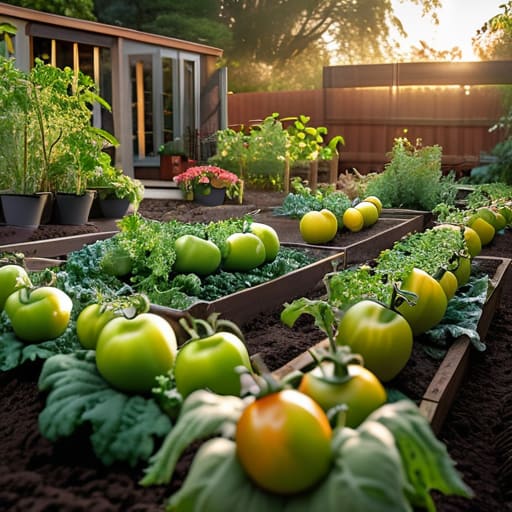
I was sitting in a high-stakes real estate seminar last month, surrounded by people talking about “scaling assets” and “maximizing yields,” when I realized something hilarious: most people approach a backyard plot with the same unnecessary complexity they use for a multi-million dollar commercial development. They think you need a thousand-dollar irrigation system and a PhD in soil science just to figure out how to start a vegetable garden. Honestly, it drives me a little crazy! You don’t need a massive capital outlay or a team of consultants to grow your own food; you just need a solid foundation and a bit of strategic planning.
Once you’ve got your seeds in the ground and your layout planned out, you might find yourself craving a bit of community support to navigate the inevitable growing pains. Honestly, even with my background in development, I know that having a sounding board makes all the difference when you’re troubleshooting a pesky pest problem or a sudden nutrient deficiency. I’ve found that connecting with others who share a passion for home and lifestyle projects can be a total game-changer, and jumping into a lively social chat UK is a fantastic way to find that instant inspiration and peer advice. It’s all about building your own personal support network so you never feel like you’re gardening in isolation!
I’m not here to sell you on some expensive, over-engineered lifestyle dream that’s destined to wither by mid-July. Instead, I’m going to give you the no-nonsense blueprint for building a productive garden that actually works with your lifestyle and your budget. Think of this as your personal property management guide for the backyard: we’re going to focus on high-return crops, sustainable soil health, and avoiding those rookie mistakes that drain your time and energy. Let’s turn that patch of dirt into a thriving, edible asset.
Mastering Vegetable Garden Soil Preparation for Maximum Yield
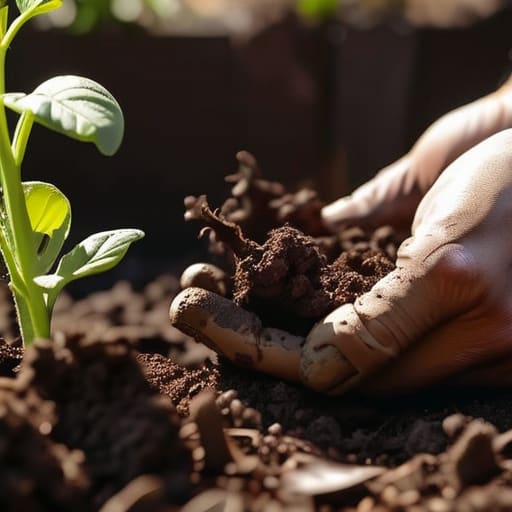
Think of your soil as the foundation of a high-rise development; if the base is shaky, the whole structure is at risk. You wouldn’t dream of building a luxury condo on top of loose sand and gravel, so don’t treat your garden any differently! Effective vegetable garden soil preparation is all about creating a nutrient-rich, well-draining environment that acts as a powerhouse for your plants. I always tell my clients that the “due diligence” phase of gardening happens underground. I love mixing in plenty of organic compost to boost microbial life—it’s essentially the high-quality equity that pays dividends in every harvest.
If you’re working with limited space or perhaps dealing with some less-than-ideal backyard terrain, I highly recommend looking into some raised bed gardening tips. Raised beds give you total control over your soil composition from day one, which is a total game-changer for preventing compaction. By elevating your growing area, you’re essentially creating a bespoke, premium environment tailored specifically for your crops. It’s much easier to manage drainage and nutrient levels when you aren’t fighting against the existing ground conditions!
Selecting the Best Vegetables for Beginners to Ensure Success
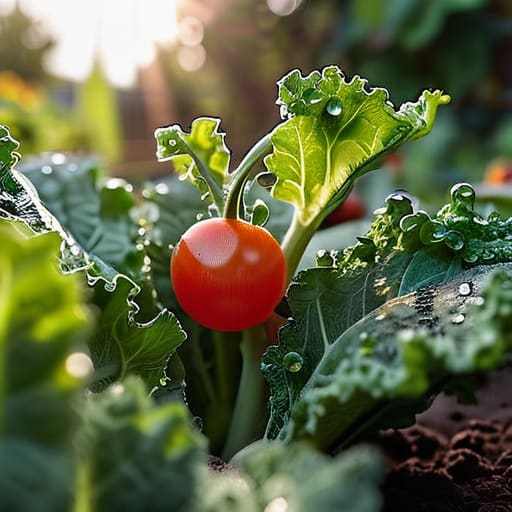
Now that we’ve got our “foundation” poured with that nutrient-rich soil, it’s time to talk about your assets: the plants themselves! If I were managing a new development, I wouldn’t start with a high-risk skyscraper; I’d start with a reliable, high-performing residential complex. The same logic applies here. When you’re looking for the best vegetables for beginners, you want “blue chip” crops—the ones that are resilient, fast-growing, and relatively low-maintenance. Think cherry tomatoes, zucchini, or leafy greens like kale. These varieties are much more forgiving of a slight hiccup in your watering schedule for home gardens than something finicky like cauliflower.
I also highly recommend looking into companion planting for vegetables to maximize your “return on investment.” For instance, planting marigolds near your tomatoes acts like a built-in security system, naturally deterring certain pests. It’s all about working smarter, not harder. By selecting hardy, compatible crops, you’re essentially building a diversified portfolio that can withstand a little bit of unpredictable weather while still delivering a bountiful harvest!
Scaling Your Green Assets: 5 Pro-Tips for Long-Term Garden Success
- Location is everything—just like picking a property, your garden needs the right “zoning.” Make sure your plot gets at least six to eight hours of sunlight a day; otherwise, you’re looking at a low-yield investment.
- Don’t try to develop the whole acre at once! Start with a small, manageable raised bed. It’s much better to have a tiny, thriving garden than a massive, weed-choked wasteland that drains your energy and your wallet.
- Install a smart irrigation system early on. Consistency is the secret sauce to healthy plants, and automating your watering schedule is a lot like setting up passive income—it keeps things running smoothly while you focus on other things.
- Think about your “tenant” turnover by practicing crop rotation. Don’t plant the same thing in the same spot every year, or you’ll deplete the soil and invite pests to the party. Keep your soil diverse to keep your yields high!
- Keep a detailed garden log, much like I do with my property management spreadsheets. Tracking what worked, what failed, and when you planted certain seeds will turn you from a hobbyist into a seasoned pro in no time.
Cultivating Your Green Assets
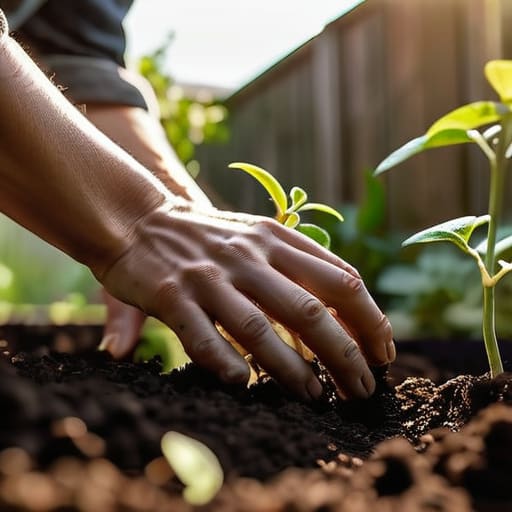
As we wrap up this initial “development phase,” remember that a successful garden is a lot like a well-managed real estate portfolio: it all comes down to the quality of your foundation and your choice of assets. We’ve covered how to prep your soil to ensure long-term viability and how to select beginner-friendly crops that offer the best return on your effort. By focusing on these fundamentals—nutritious soil and manageable plant varieties—you aren’t just planting seeds; you are building a sustainable ecosystem right in your own backyard. Don’t let the fear of a little dirt hold you back; once you get those initial layers in place, the rest of the growth becomes much more predictable.
At the end of the day, gardening is about more than just the harvest; it’s about the joy of watching something you nurtured grow from nothing into something beautiful and productive. I know that stepping into something new can feel a bit daunting, but I promise you, the sense of accomplishment when you taste that first home-grown tomato is absolutely priceless. Think of every small mistake as a learning opportunity—just like a tricky renovation—that makes you a smarter, more capable investor in your own lifestyle. So, grab your trowel, get your hands a little dirty, and let’s start building your green empire one seedling at a time!
